How Does Spray Foam Insulation Actually Save You Money on Energy Bills?
Switching to spray foam insulation is one of the most effective ways for homeowners to gain control over their monthly utility expenses. Unlike traditional materials that simply slow down heat transfer, spray foam creates a comprehensive thermal and air barrier that fundamentally changes how a building breathes.
The initial investment in this advanced technology pays for itself by drastically reducing the energy required to heat and cool your living space. By addressing the root causes of energy waste, spray foam provides a permanent solution for a more affordable and sustainable household.
Creating a Total Airtight Seal
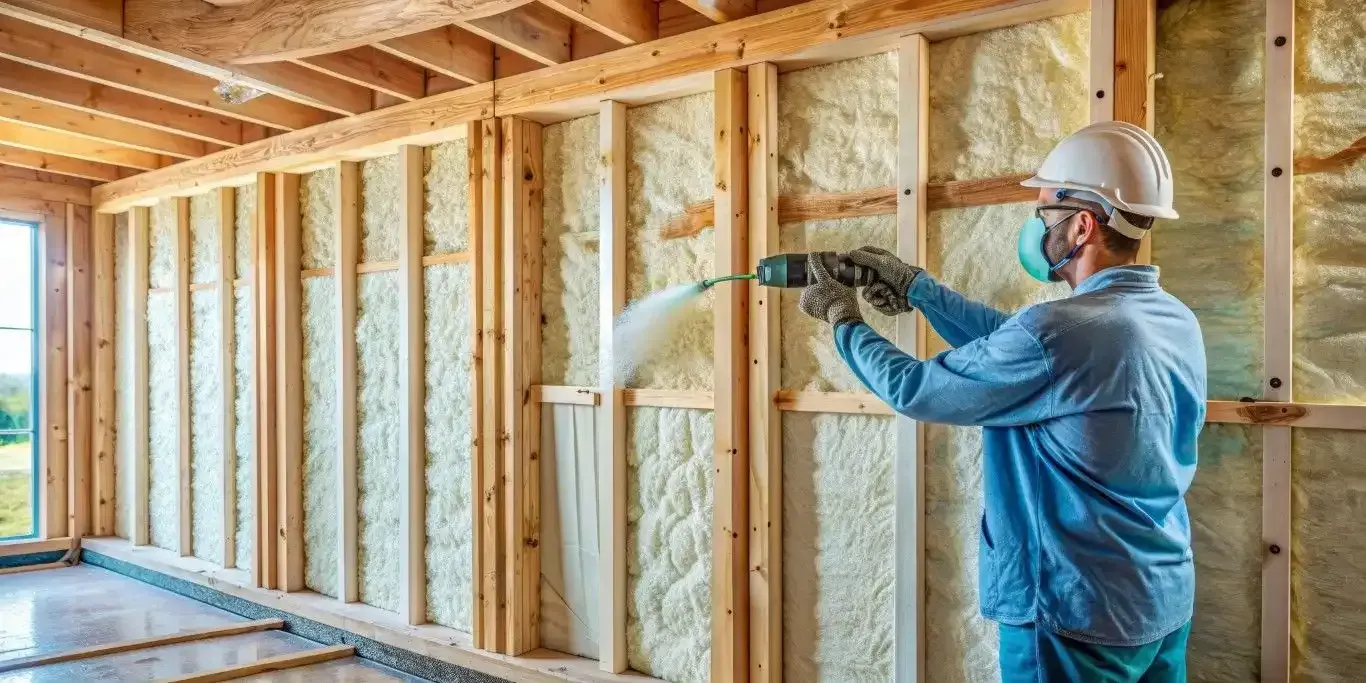
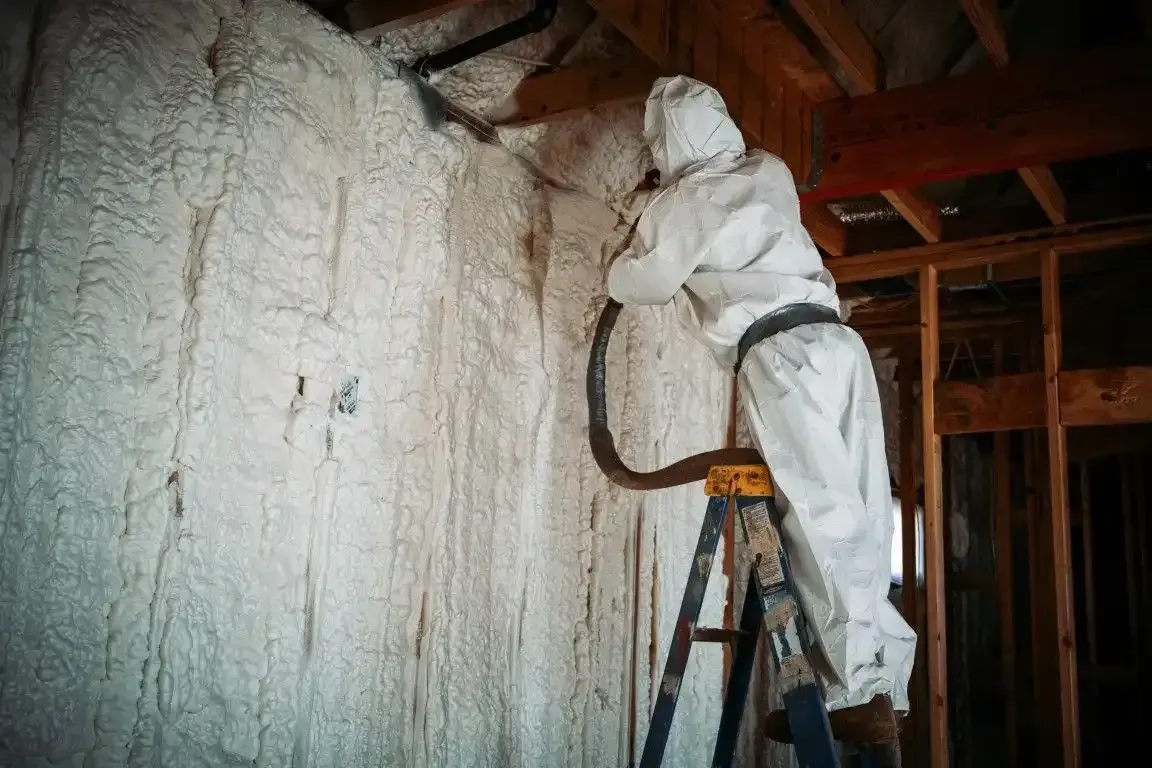
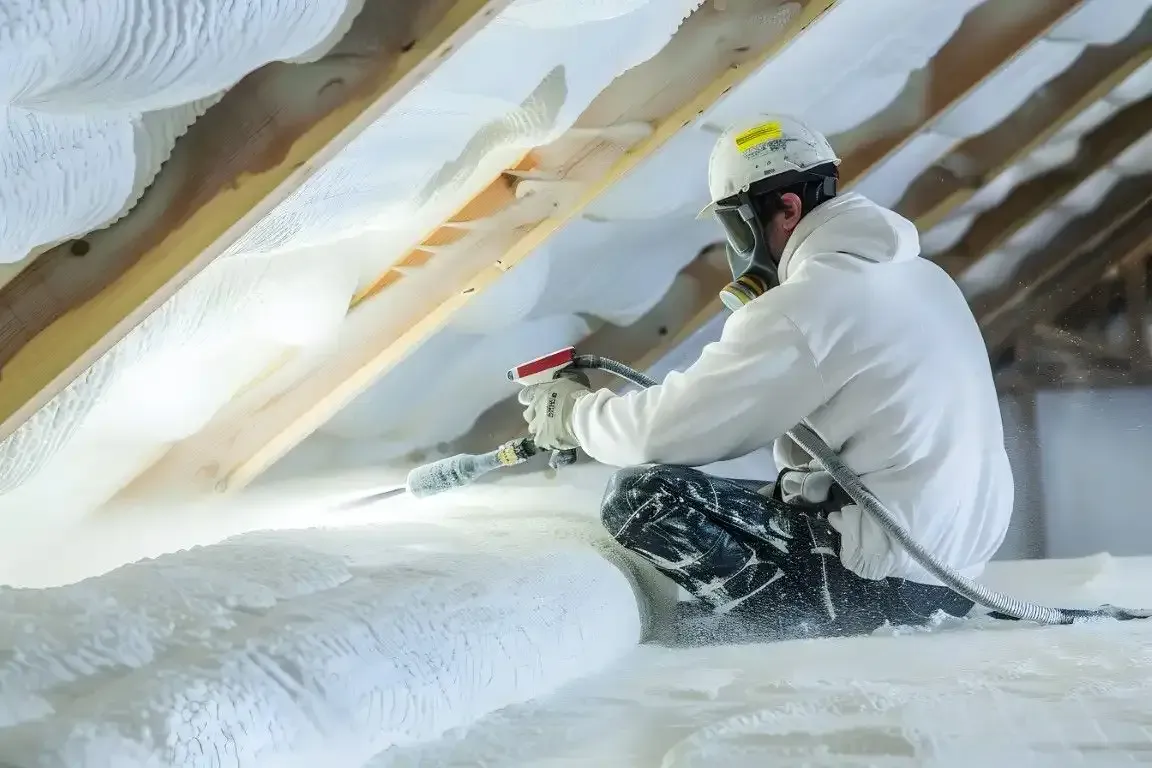
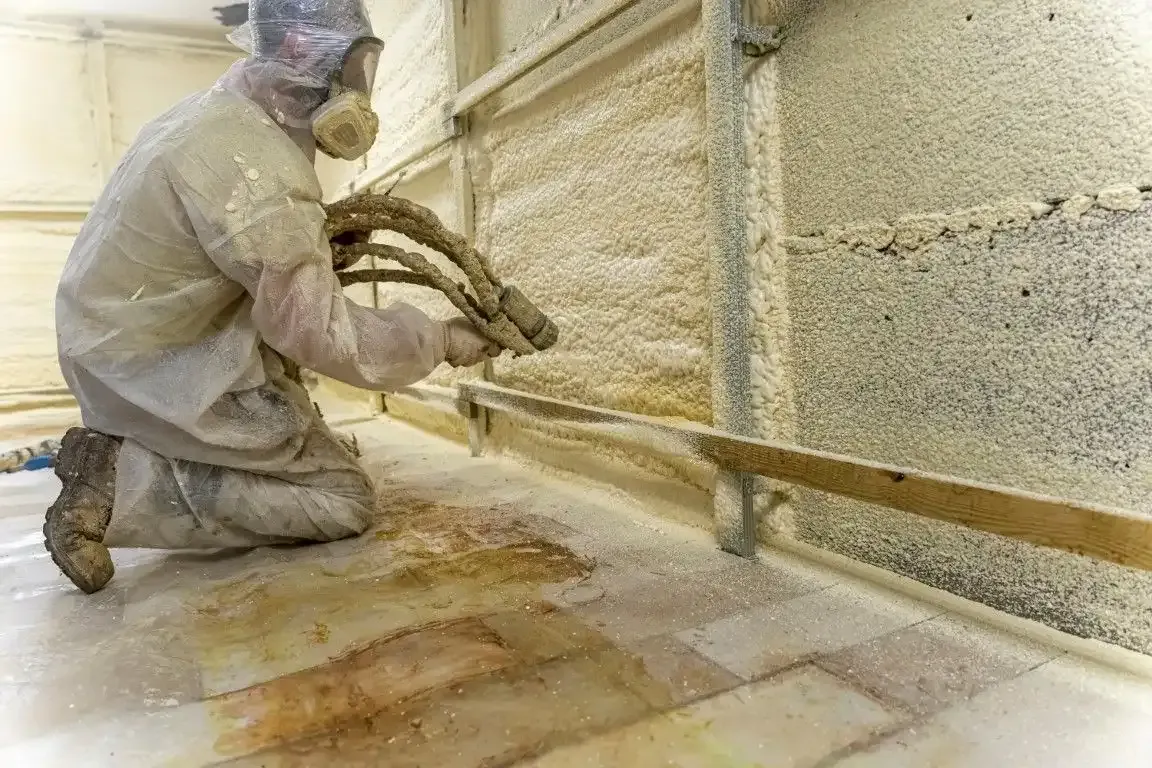
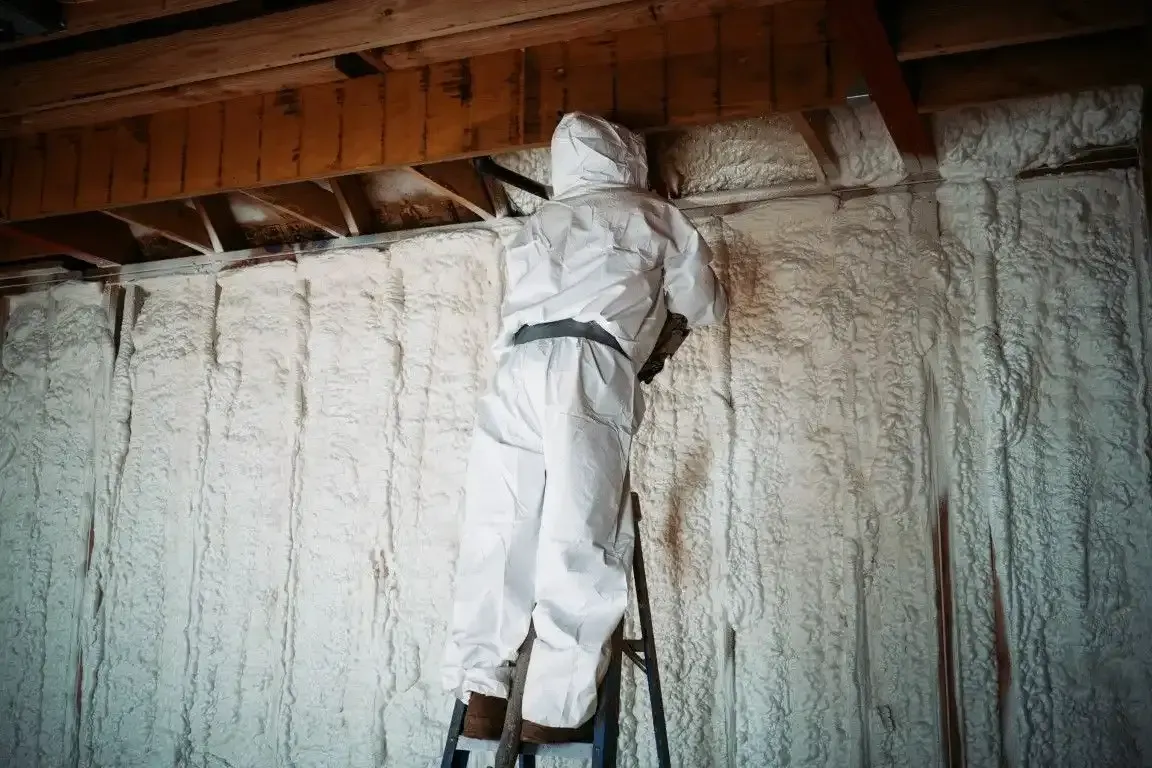
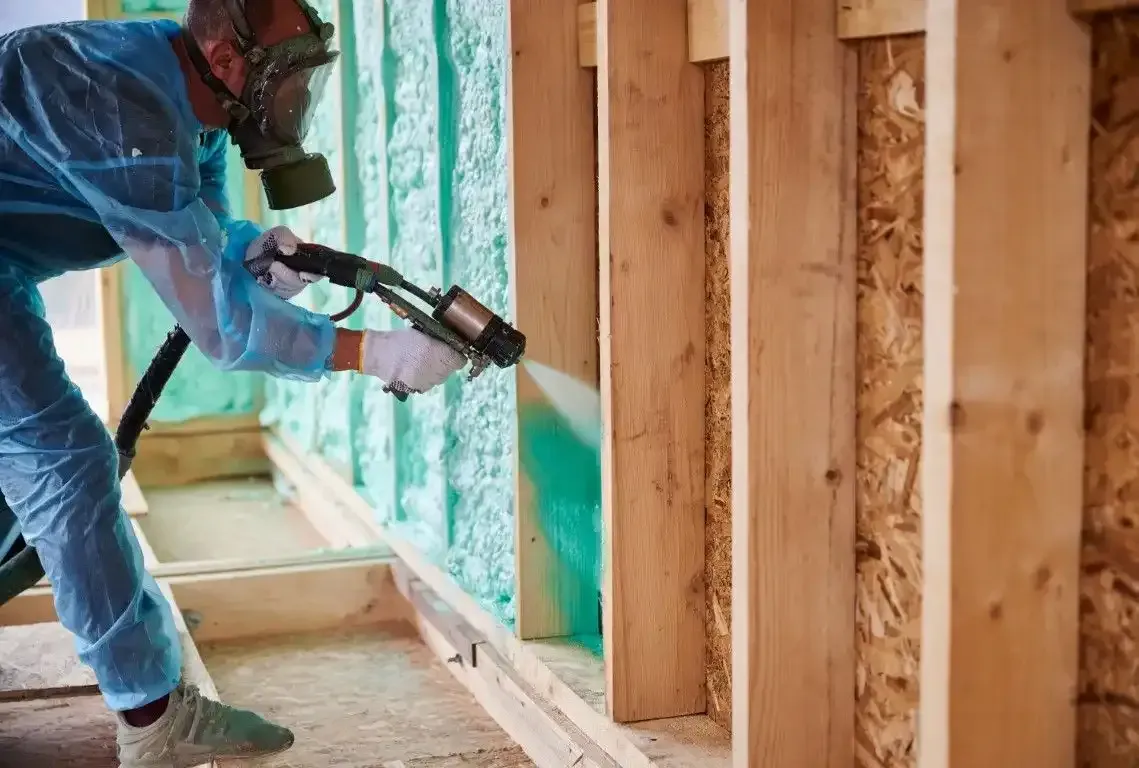
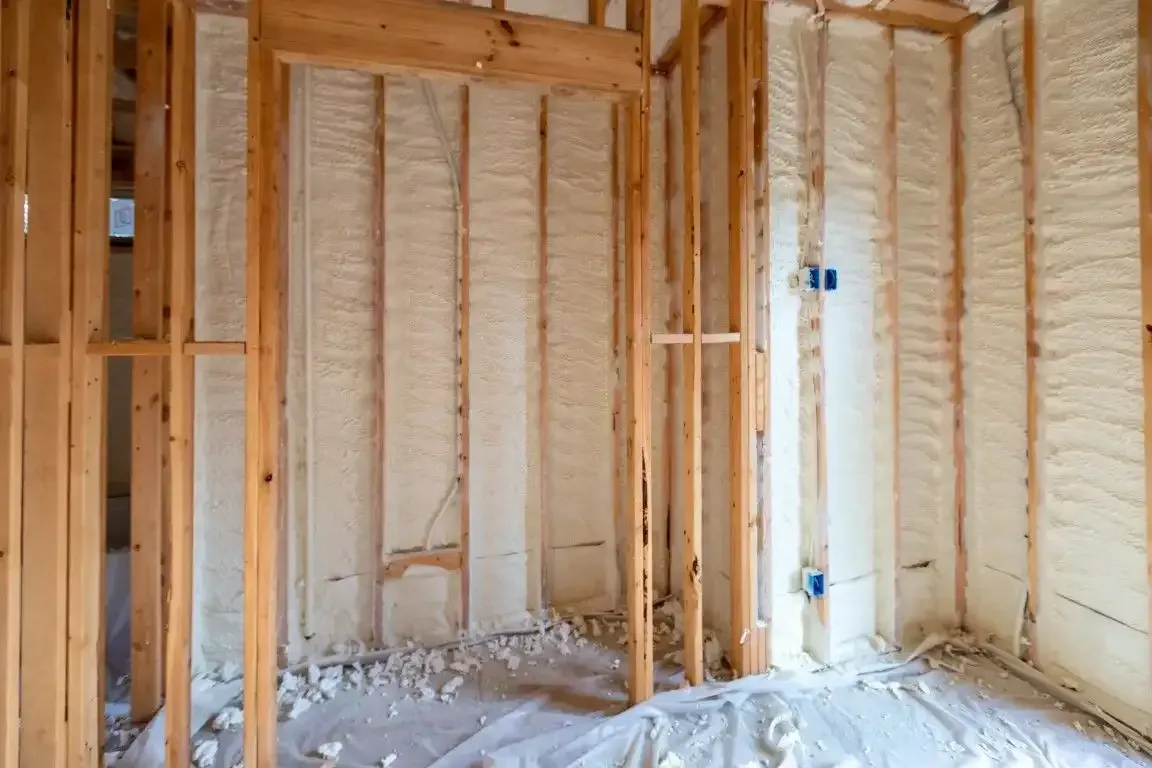
The primary reason spray foam saves so much money is its unique ability to expand and fill every tiny crack and crevice within a wall or attic. Traditional batts often leave small gaps around wires, pipes, and outlets that allow expensive conditioned air to leak out of the house.
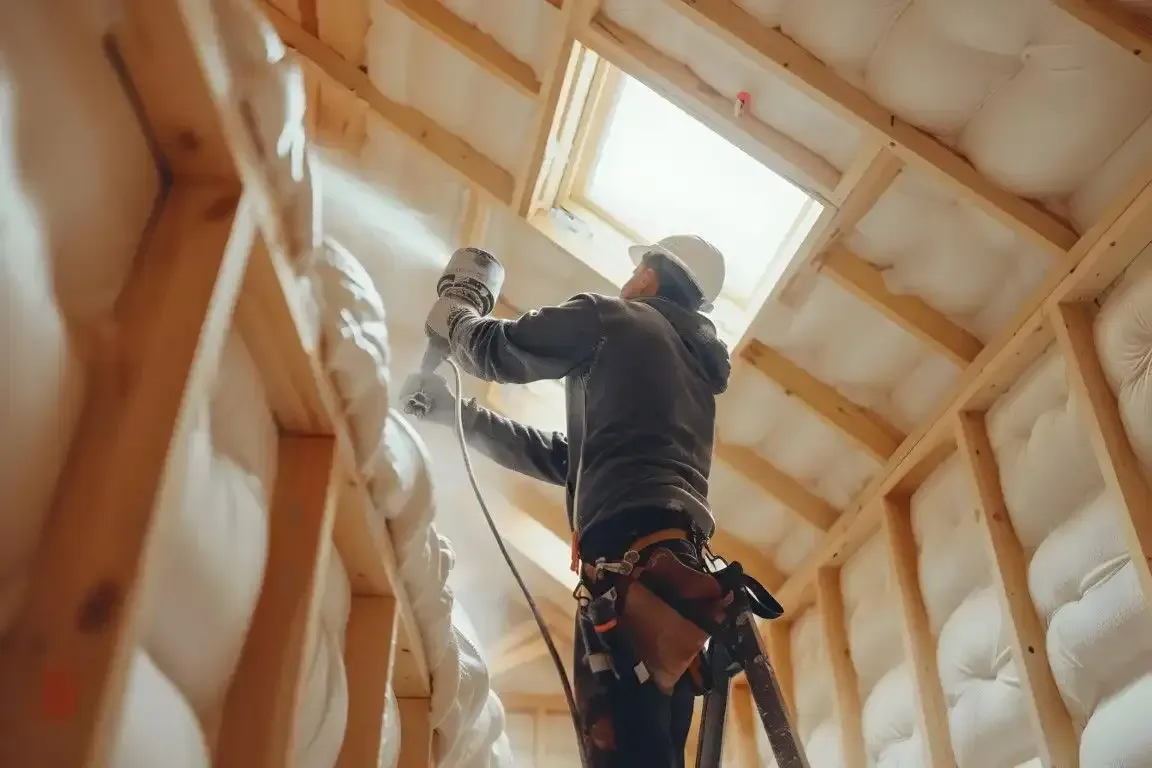
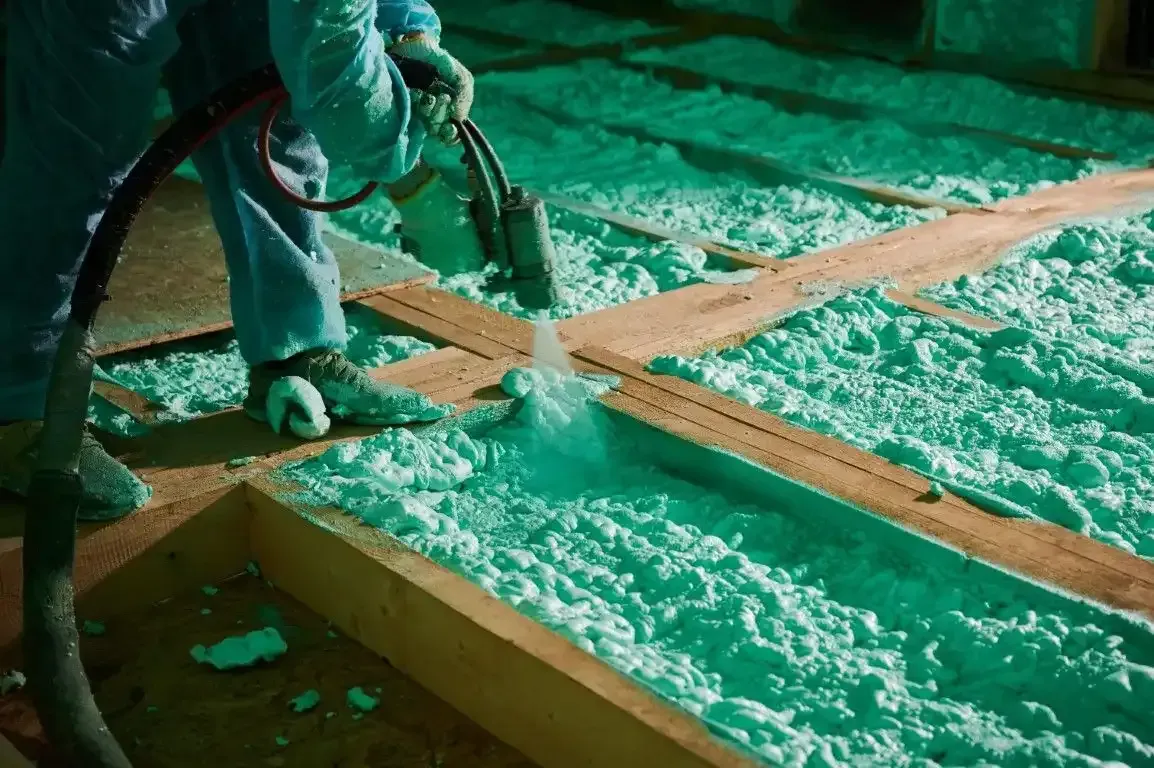
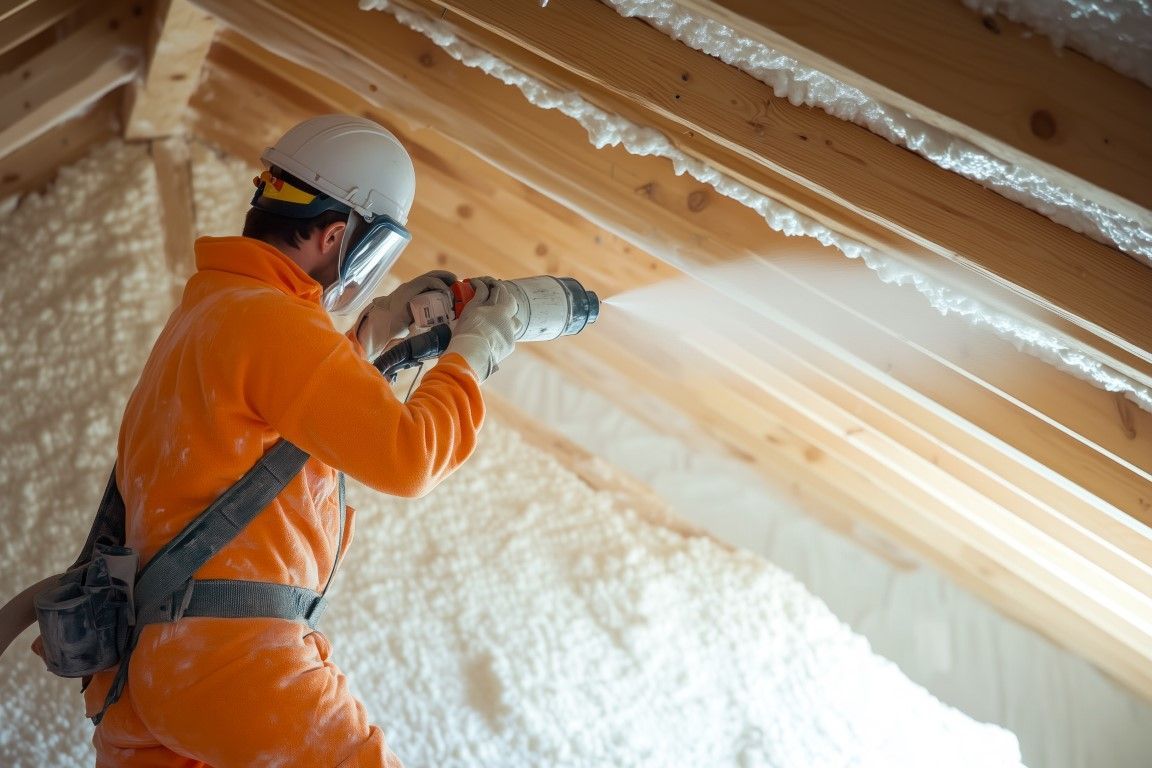
- Spray foam expands up to thirty times its liquid volume, creating a custom-fit seal that stops all air infiltration.
- By eliminating drafts, the material prevents the "chimney effect" where warm air escapes through the roof and pulls cold air in from the bottom.
- This airtight barrier ensures that every cubic foot of air you pay to heat or cool stays inside the living area for as long as possible.
- It effectively seals off bypasses in the building envelope that are often invisible to the naked eye.
When you stop air from moving through your walls, you stop money from flying out of your pockets. This total seal is the foundation of high-performance energy savings.
Superior R-Value Per Inch
Spray foam offers one of the highest R-values of any insulation material available on the market today. This means you can achieve a higher level of thermal resistance in a thinner profile, which is especially valuable in tight spaces or older homes.
- Closed-cell spray foam provides an R-value of approximately 6.0 to 7.0 per inch, nearly double that of fiberglass.
- Higher R-values mean the material is much more effective at stopping heat from radiating through the roof during a summer heatwave.
- Because the material is so dense, it maintains its thermal performance even in extreme temperature fluctuations.
- The high efficiency of the material allows homeowners to reach target energy codes with less bulk.
Investing in a material with a higher R-value ensures that your home remains a fortress against the elements. This superior resistance translates directly into lower demand on your heating and cooling equipment.
Reducing HVAC Equipment Wear
When a home is properly sealed with spray foam, the furnace and air conditioner do not have to cycle on and off nearly as often to maintain a steady temperature. This reduction in workload not only lowers your daily energy consumption but also extends the life of your expensive mechanical systems.
- A consistent indoor climate prevents the short-cycling that leads to premature motor failure and high repair costs.
- Homeowners can often downsize to smaller, less expensive HVAC units because the home requires less energy to stay comfortable.
- The system runs more efficiently because it is no longer fighting against constant drafts and thermal leaks.
- Lowering the runtime of your equipment significantly reduces your monthly carbon footprint and electric bills.
By protecting your HVAC system, you are avoiding the multi-thousand dollar cost of early equipment replacement. Spray foam acts as a protective partner for your home's mechanical heart.
Permanent Performance Without Settling
Unlike loose-fill or batt insulation, spray foam is a rigid material that adheres directly to the building structure and does not sag, settle, or compress over time. This means the R-value you pay for on day one is the same R-value you will have twenty years later.
- The material remains in place even in vertical wall cavities where traditional insulation often slides down over time.
- It is not affected by gravity or humidity, ensuring that no bare spots or "cold zones" develop in your attic.
- Because it doesn't settle, there is no need to pay for "top-offs" or maintenance every few years.
- The chemical stability of the foam ensures it won't break down or lose its shape in the attic's harsh environment.
A one-time installation provides a lifetime of savings without the need for future adjustments. This "set it and forget it" nature makes spray foam a highly cost-effective long-term asset.
Preventing Moisture and Mold Damage
Moisture intrusion is a major source of hidden costs for homeowners, leading to wood rot, mold remediation, and structural repairs. Spray foam provides a robust moisture barrier that prevents humid air from condensing inside your walls and causing damage.
- Closed-cell foam is impermeable to water, protecting your home's wooden framing from the effects of leaks or humidity.
- By preventing mold growth, you avoid the high medical and professional cleaning costs associated with indoor air quality issues.
- The material seals out pollen and outdoor pollutants, which can reduce the need for expensive air filtration and duct cleaning.
- A dry home is a more durable home, preserving the resale value of your property for the future.
Protecting your home from water damage is just as important as saving on energy bills. The dual-purpose nature of spray foam as both an insulator and a moisture shield provides unmatched value.
Maximizing Your Home’s Financial Efficiency
Choosing spray foam is a strategic move that transforms your home into a high-performance machine. The immediate drop in utility costs, combined with the long-term protection of your structure, makes it a premier home improvement choice.
By securing your home’s thermal envelope today, you are locking in lower living expenses for decades to come. This investment provides the daily comfort and financial peace of mind that every homeowner deserves.