What Kind of Insulation Is Needed for a Wine Cellar or Specialty Room?
Creating a specialty environment like a wine cellar requires a precise approach to climate control that goes far beyond standard residential requirements. To protect a valuable collection, the room must maintain a constant temperature and specific humidity levels to prevent spoilage or cork degradation.
The integrity of this delicate balance depends entirely on the quality and type of insulation installed within the walls and ceiling. Without a robust thermal envelope, your cooling system will struggle to overcome heat gain, leading to inconsistent conditions and increased energy consumption.
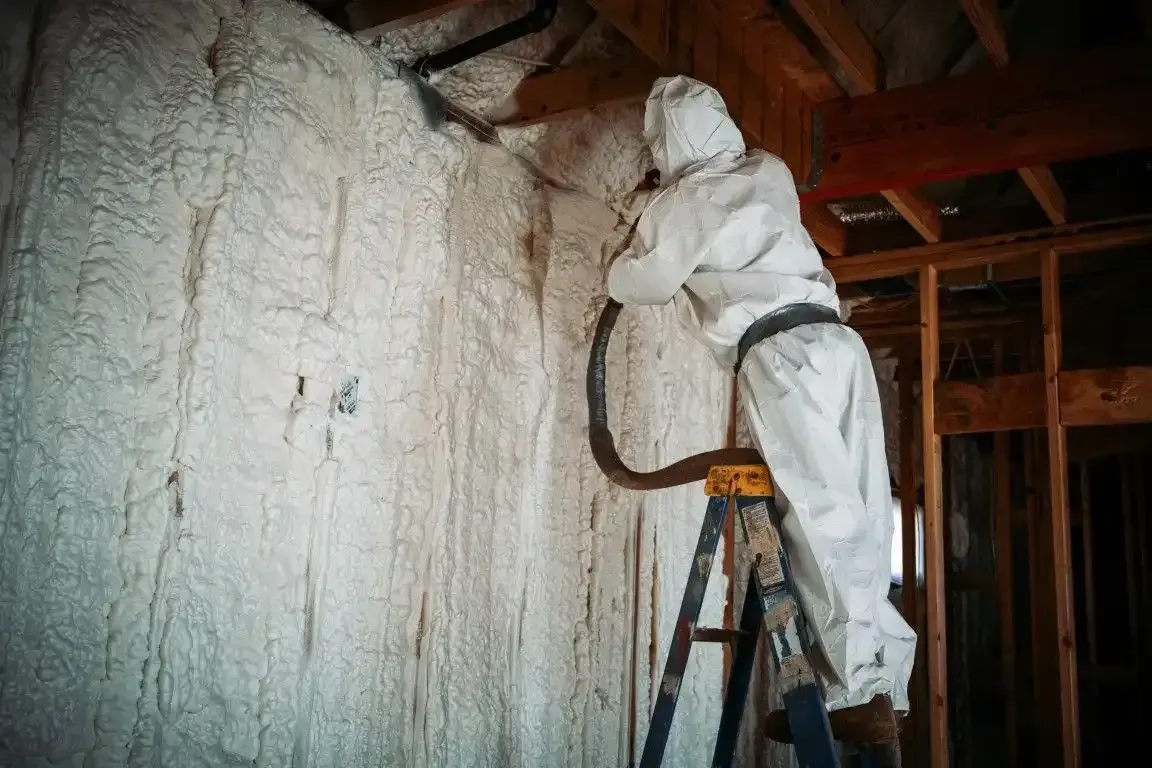
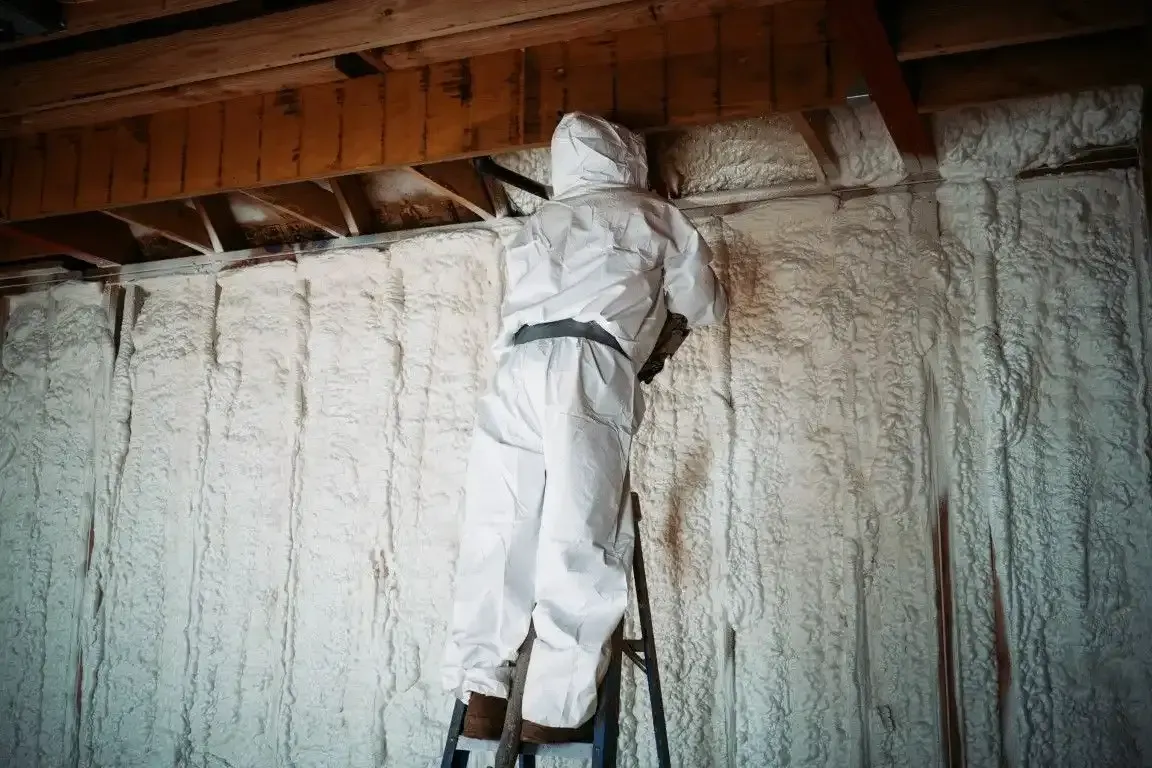
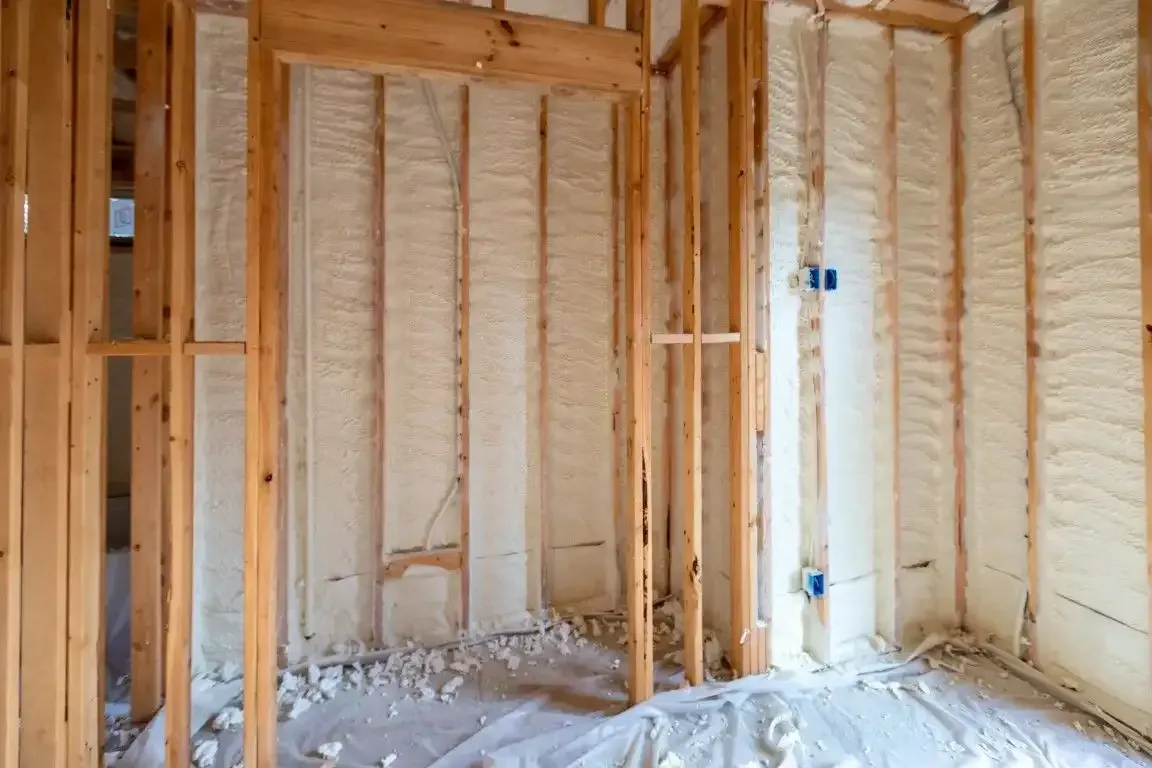
The Importance of Closed-Cell Spray Foam
Closed-cell spray foam is widely considered the gold standard for specialty rooms due to its high R-value and inherent air-sealing capabilities. This material expands into every crevice, ensuring that there are no gaps where heat or unconditioned air can penetrate the space.
- It provides a high thermal resistance per inch, which is critical for maintaining the standard 55-degree environment required for wine.
- The dense structure of the foam acts as a powerful air barrier, preventing the cooling unit from working overtime.
- It adds structural rigidity to the wall cavities, which helps in creating a permanent, high-performance vault.
- This material is resistant to moisture and does not support the growth of mold or mildew in damp environments.
Utilizing closed-cell foam effectively creates a seamless thermal box that isolates your specialty room from the rest of the house. This level of protection is the most reliable way to ensure long-term stability for sensitive items.
Integrating a Dedicated Vapor Barrier
In a wine cellar, managing humidity is just as important as managing temperature, making a vapor barrier a non-negotiable component. Without this protection, moisture can migrate through the walls, leading to condensation issues and potential structural damage.
- A dedicated vapor barrier must be installed on the warm side of the insulation to prevent humid air from reaching the cold cellar walls.
- It protects the integrity of the insulation material by preventing it from becoming saturated with moisture.
- Proper sealing at the joints and edges ensures that the room remains a closed loop for the humidification system.
- Plastic sheeting or specialized vapor-retardant coatings are commonly used to create this essential moisture shield.
Failure to install an adequate barrier can result in a cellar that is either too dry or prone to mold, both of which are disastrous for wine. A high-quality seal ensures that the environment inside remains exactly where you want it.
Rigid Foam Board for Space Constraints
When a specialty room is being built into an existing basement or a tight corner, rigid foam board offers an excellent thin-profile solution. These boards provide significant R-value without requiring the deep wall cavities that traditional batts might need.
- Extruded polystyrene boards are highly resistant to moisture, making them ideal for below-grade installations.
- They can be easily cut to fit around custom shelving or unique architectural features within a cellar.
- Foam boards provide a continuous thermal break when installed over studs, reducing the effect of thermal bridging.
- This material maintains its insulating power over time and does not settle or sag like loose-fill options.
Rigid boards are a practical choice for homeowners who need to maximize storage space while still hitting strict thermal targets. They provide a clean, stable surface that is easy to finish with wine-safe wall coverings.
Insulation for Specialized Doors and Joists
The thermal envelope of a specialty room is only as strong as its weakest point, which is often the door or the floor joists. Paying close attention to these transition zones prevents the "leaks" that commonly cause cooling systems to fail prematurely.
- All doors leading into the specialty space should be exterior-grade and fully insulated to prevent heat transfer.
- Standard weather stripping and automatic door bottoms are necessary to maintain an airtight seal at the threshold.
- Floor joists above the cellar must be packed tightly to prevent the living space above from warming the collection.
- Foam gaskets should be used around any electrical outlets or light fixtures to eliminate air bypass.
By treating the room as a total system rather than just four walls, you eliminate the micro-climates that can harm delicate assets. Every penetration through the insulation must be accounted for to maintain total environmental control.
Sound Dampening and Vibration Control
A specialty room often houses mechanical cooling units that can create unwanted noise or vibrations if not properly insulated. High-density materials can serve a dual purpose by providing thermal protection while also absorbing acoustic energy.
- Mineral wool is an excellent choice for sound absorption, helping to keep the mechanical hum of the cooling unit out of the rest of the home.
- Damping materials installed behind the insulation can reduce the transfer of vibrations that might disturb the aging process of the wine.
- Dense insulation helps create a "dead" acoustic space, which adds to the premium, quiet feel of a luxury cellar.
- Properly insulated ductwork further reduces the sound of moving air, contributing to a peaceful atmosphere.
A truly professional specialty room performs its job silently and efficiently. Incorporating acoustic considerations into your insulation plan enhances both the function and the luxury of the space.
Protecting Your Ultimate Investment
Investing in specialized insulation is a commitment to the longevity and value of your most prized collections. By creating a fortress against temperature fluctuations and moisture, you ensure that every bottle or artifact is preserved in peak condition.
A well-insulated specialty room provides the peace of mind that comes from knowing your environment is stable and secure. This foundation of efficiency allows you to focus on enjoying your collection rather than worrying about the mechanics of the room.