Why Your Aging Home Needs a Blown-In Insulation Top-Off This Year
As residential properties age, the materials that keep them comfortable and energy-efficient often begin to degrade or lose their original effectiveness. Many homeowners overlook the attic, yet this invisible layer of protection is the most critical factor in maintaining a consistent indoor climate during harsh weather.
Restoring your home's thermal envelope with a strategic top-off can solve years of frustrating temperature swings and high energy costs. By addressing the natural thinning of older materials now, you secure a more sustainable and affordable future for your household.
Restoring Lost R-Value and Loft
Over several decades, gravity and environmental moisture cause traditional insulation materials to compress and lose their fluffy consistency. This loss of loft directly translates to a lower R-value, meaning your home can no longer resist heat flow as effectively as it once did.
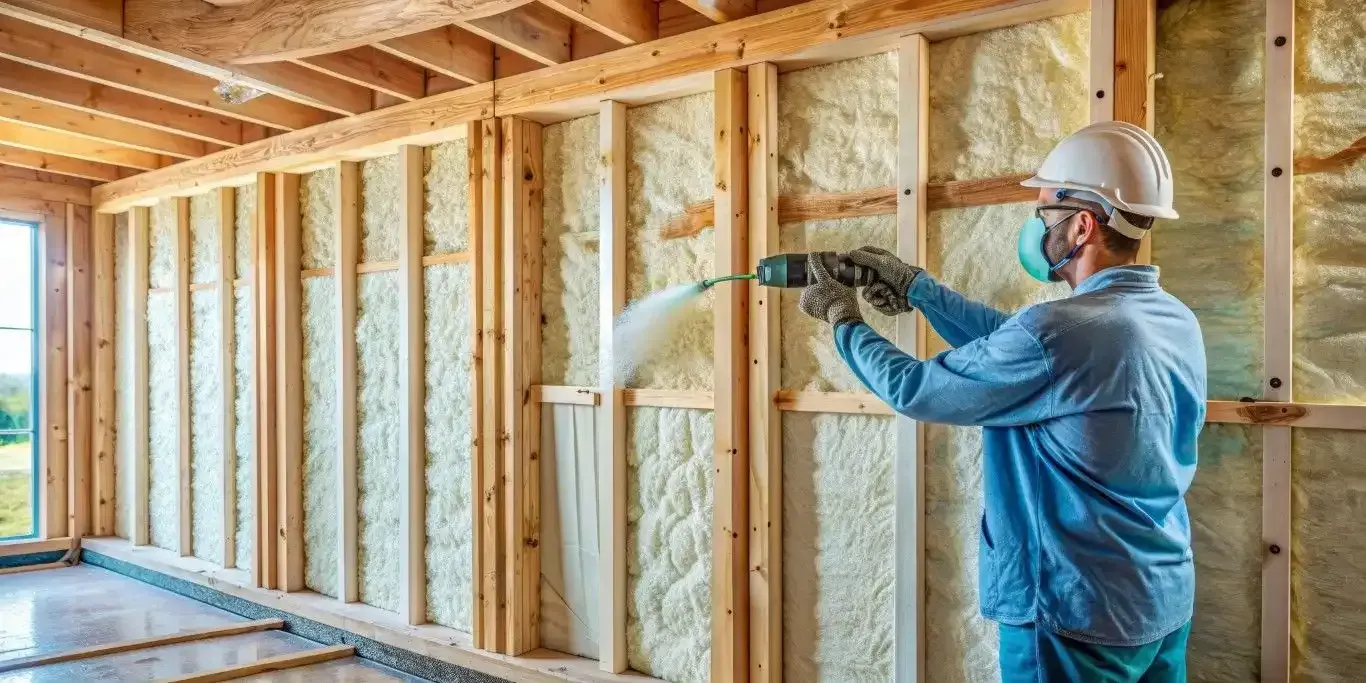
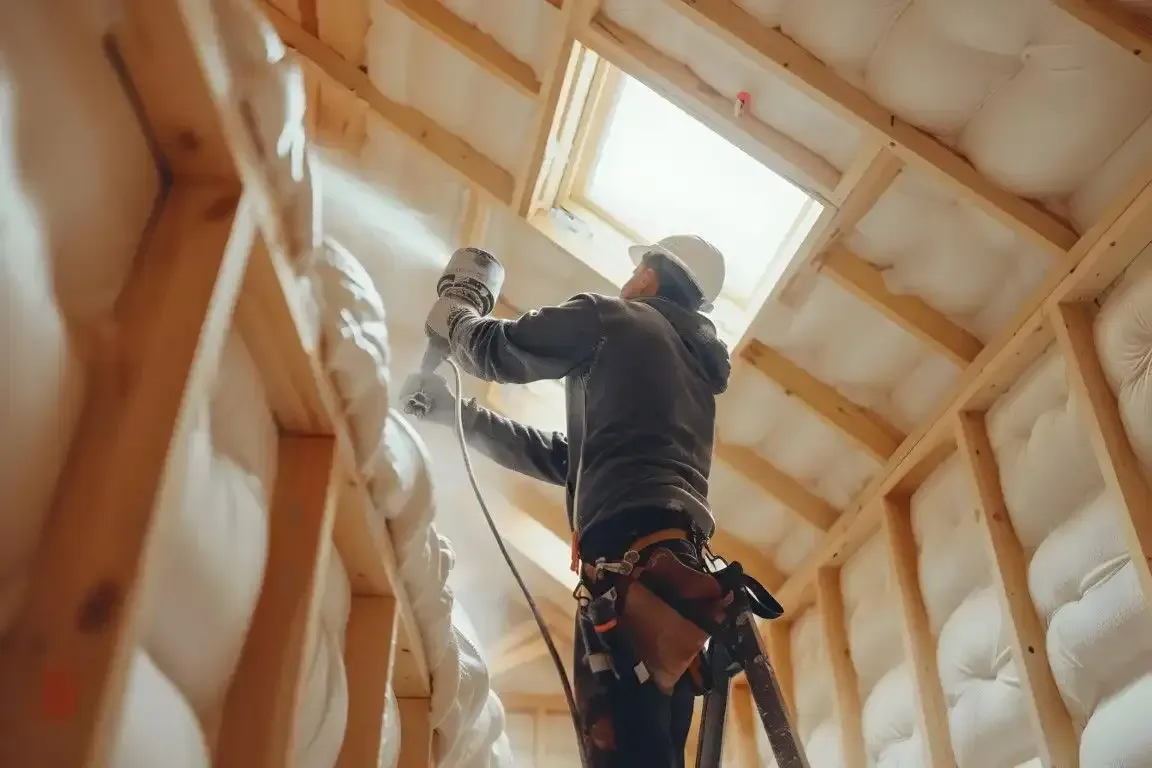
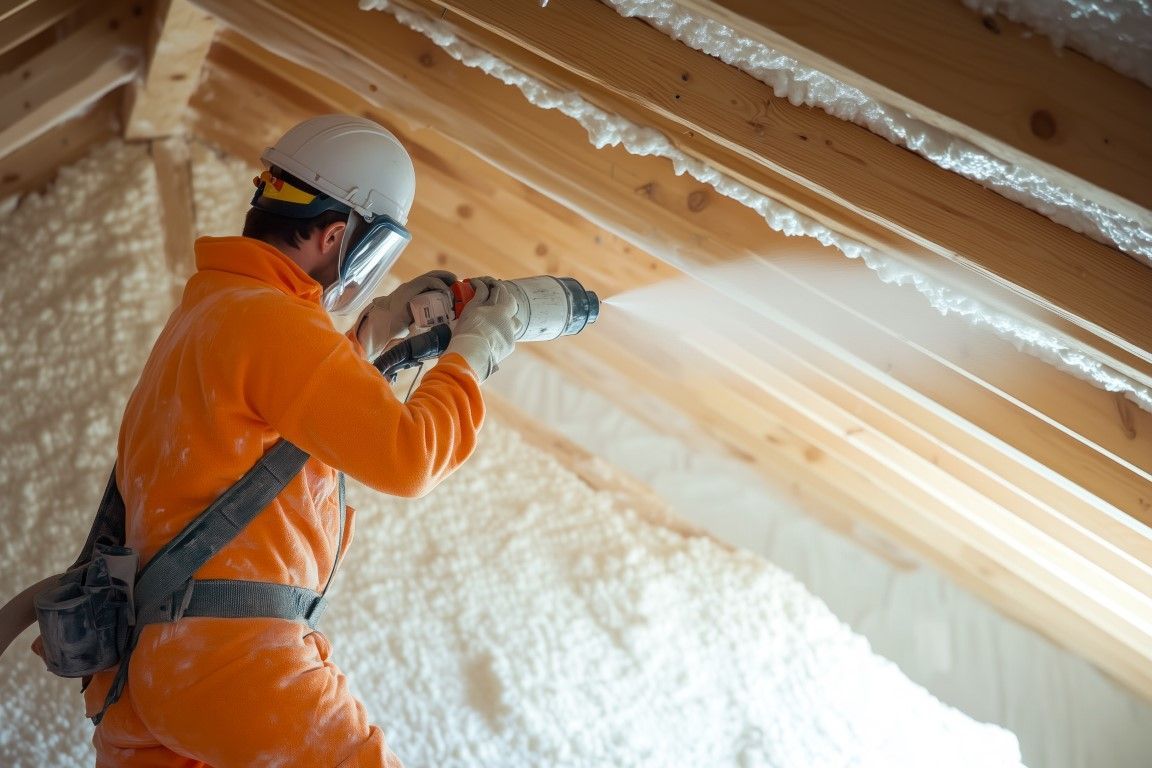
- Adding a fresh layer of blown-in fiberglass or cellulose fills in the air pockets created by years of material settling.
- A top-off restores the depth required to meet modern energy codes, which are much stricter than those in place when older homes were built.
- New material covers the tops of ceiling joists, which often act as thermal bridges that leak heat into the attic.
- This process allows you to achieve maximum thermal resistance without the high cost of a full removal and replacement.
By replenishing the thickness of your attic floor, you create a dense barrier that stands up to modern efficiency standards. This simple restoration is often the fastest way to bring an aging structure into the modern era of performance.
Eliminating Hidden Air Leaks and Gaps
Aging homes are notorious for developing small cracks and bypasses around light fixtures, plumbing stacks, and chimney flues. A fresh application of blown-in material acts like a heavy blanket, settling into these irregular spaces to stop unwanted airflow.
- Loose-fill insulation is specifically designed to flow into tight corners and hard-to-reach crevices that original batt insulation often misses.
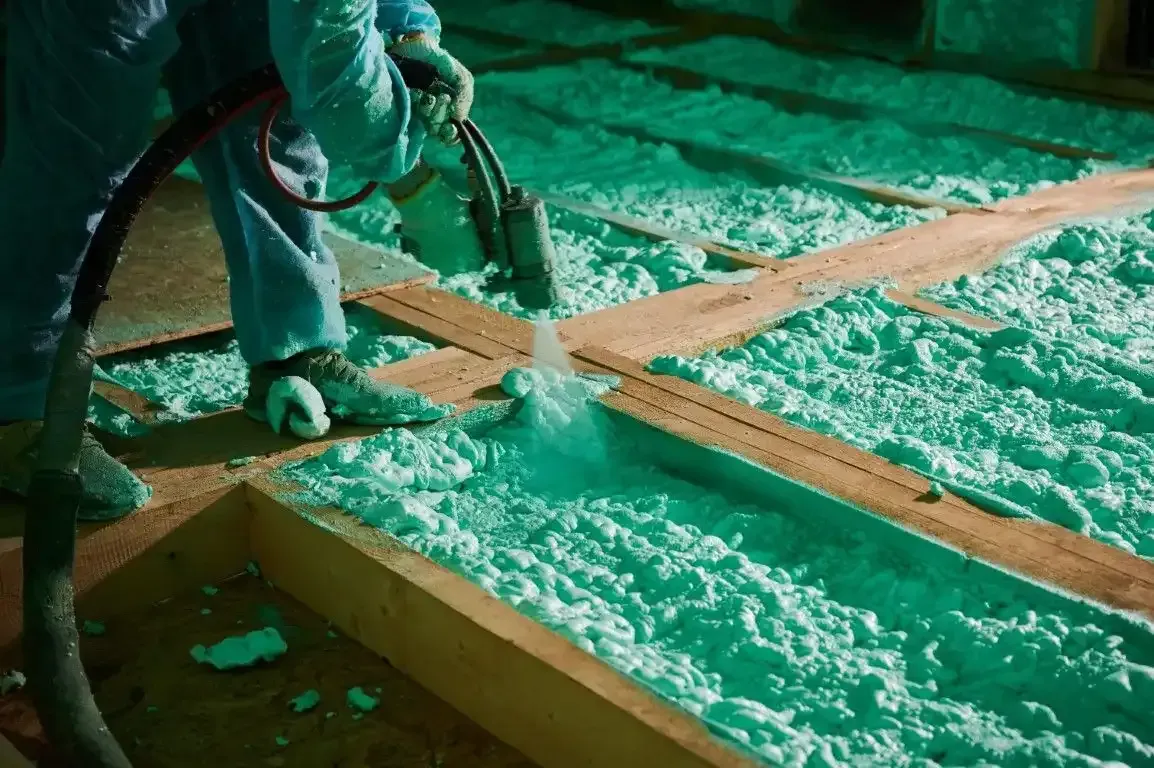
- The small particles of a top-off create a more continuous seal over the entire attic floor, reducing drafts in the rooms below.
- Filling these gaps prevents the "chimney effect," where warm air escapes through the roof while pulling cold air in through the basement.
- It provides an opportunity to identify and seal major bypasses that have been leaking energy for years.
Stopping air movement is just as important as stopping heat transfer for total home comfort. A comprehensive top-off ensures that every square inch of your ceiling is working to keep your expensive conditioned air where it belongs.
Reducing Strain on Aging HVAC Systems
When your insulation is thin, your furnace and air conditioner must work twice as hard to maintain the temperature set on your thermostat. This constant cycling leads to increased wear and tear, eventually resulting in expensive mechanical failures or a shortened system lifespan.
- A well-insulated attic allows your HVAC system to reach the target temperature faster and remain idle for longer periods.
- Lowering the workload on your equipment can delay the need for a costly system replacement by several years.
- Stable temperatures prevent the system from "short-cycling," which is one of the leading causes of high electric and gas bills.
- New insulation helps maintain a comfortable environment even during peak load times in the middle of a summer heatwave.
Protecting your mechanical investment is one of the primary financial benefits of maintaining a thick layer of insulation. By helping your system work smarter rather than harder, you enjoy a more reliable home environment.
Improving Sound Dampening and Quietness
Older homes often lack the acoustic privacy found in modern construction, but adding dense insulation can significantly reduce outside noise. A top-off adds a thick layer of sound-absorbing material that keeps street noise, sirens, and wind from disturbing your peace.
- The dense fibers of cellulose or fiberglass blown-in material are excellent at absorbing high-frequency sounds.
- A thicker attic floor prevents the "drumming" sound of heavy rain on the roof from echoing through the house.
- Insulation also helps dampen internal noises, making the transition between different levels of the home feel more private.
- This upgrade creates a noticeably quieter atmosphere that supports better sleep and a more relaxed daily life.
Peace and quiet are essential components of home comfort that are often forgotten during energy audits. Adding volume to your insulation is an easy way to turn your home into a silent sanctuary away from the world.
Preventing Moisture and Mold Issues
Inadequate insulation in an older home often leads to uneven roof temperatures, which can cause condensation to form on the underside of the roof deck. This moisture is a primary trigger for mold growth and wood rot that can compromise the structural integrity of your property.
- A consistent layer of insulation prevents warm, moist air from the living space from hitting cold surfaces in the attic.
- Keeping the attic temperature uniform helps prevent ice dams, which are a major source of water damage in many climates.
- Modern blown-in materials are treated with fire retardants and mold inhibitors to keep your home safer.
- Properly distributed material ensures that your roof remains at a stable temperature, extending the life of your shingles.
Protecting the structure of your house is the ultimate goal of any major maintenance project. By regulating the thermal environment in the attic, you prevent the conditions that allow decay to take hold.
Future-Proofing Your Home’s Value and Comfort
Investing in an insulation top-off today is a proactive decision that secures the value of your property for years to come. Prospective buyers prioritize homes with documented energy upgrades, as they represent lower future costs and immediate comfort.
By choosing to revitalize your home's protection this year, you are ensuring a more resilient and enjoyable living space for your family. This small upgrade provides a significant return on investment that you will feel in every room and see in every utility statement.