Which Insulation Materials Offer the Highest R-Value for the Price?
Determining the best insulation for your home often comes down to finding the perfect balance between upfront cost and long-term thermal performance. Understanding how various materials resist heat flow allows homeowners to make informed decisions that drastically reduce utility bills.
Choosing the right R-value ensures that your living space remains comfortable throughout the shifting seasons without overspending on unnecessary upgrades. High-density materials can provide superior protection, but the price per square foot must align with your specific renovation goals.
Fiberglass Batt and Roll Efficiency
Fiberglass remains one of the most common choices for residential projects due to its accessibility and straightforward installation process. It offers a respectable thermal resistance that works well in standard wall cavities and open attic spaces.
- Standard fiberglass batts typically offer an R-value between 2.9 and 3.8 per inch of thickness.
- This material is highly cost-effective for DIY enthusiasts looking to improve their thermal envelope on a strict budget.
- It is naturally fire-resistant and does not shrink over time, maintaining its performance for decades when installed correctly.
- Pre-cut widths allow for a snug fit between standard framing, reducing the labor time required for larger areas.
Selecting fiberglass is a smart move for those prioritizing a low initial investment while still achieving reliable heat resistance.
Blown-In Cellulose Advantages
Cellulose is often cited as a top contender for the best value because it is primarily made from recycled paper products treated for fire safety. It provides a dense layer of protection that excels at filling irregular gaps and hard-to-reach corners.
- Blown-in cellulose generally provides a higher R-value than fiberglass, ranging from 3.2 to 3.8 per inch.
- The dense packing of the fibers helps to dampen sound and significantly reduce air infiltration through small cracks.
- Because it is applied using a machine, it creates a seamless blanket of insulation that eliminates thermal bridging in attics.
- It is an environmentally friendly option that utilizes specialized borate treatments to deter pests and prevent mold growth.
This material proves that being eco-conscious can also be the most effective way to insulate a complex building structure.
Mineral Wool Performance
Mineral wool is a premium alternative to fiberglass that is prized for its extreme durability and superior fire-rated properties. While the cost is slightly higher, the performance in specific environments makes it a worthy consideration.
- It offers an impressive R-value of approximately 3.0 to 3.3 per inch, similar to fiberglass but with much higher density.
- The material is water-repellent and does not lose its insulating properties even if it becomes temporarily damp.
- It provides exceptional acoustic buffering, making it the ideal choice for media rooms or homes near busy streets.
- The rigid nature of the batts makes them easier to friction-fit into place without the need for staples or fasteners.
Investing in mineral wool provides peace of mind for homeowners who value safety and sound control as much as temperature regulation.
Spray Foam Thermal Barriers
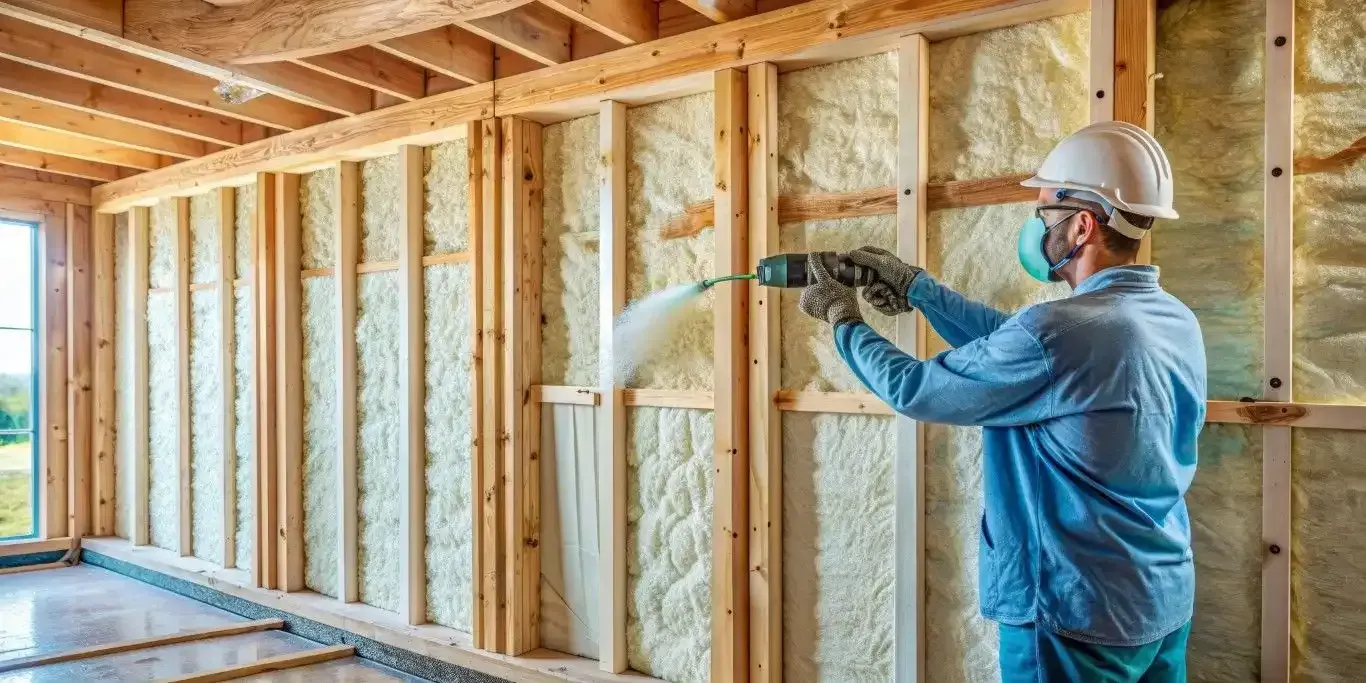
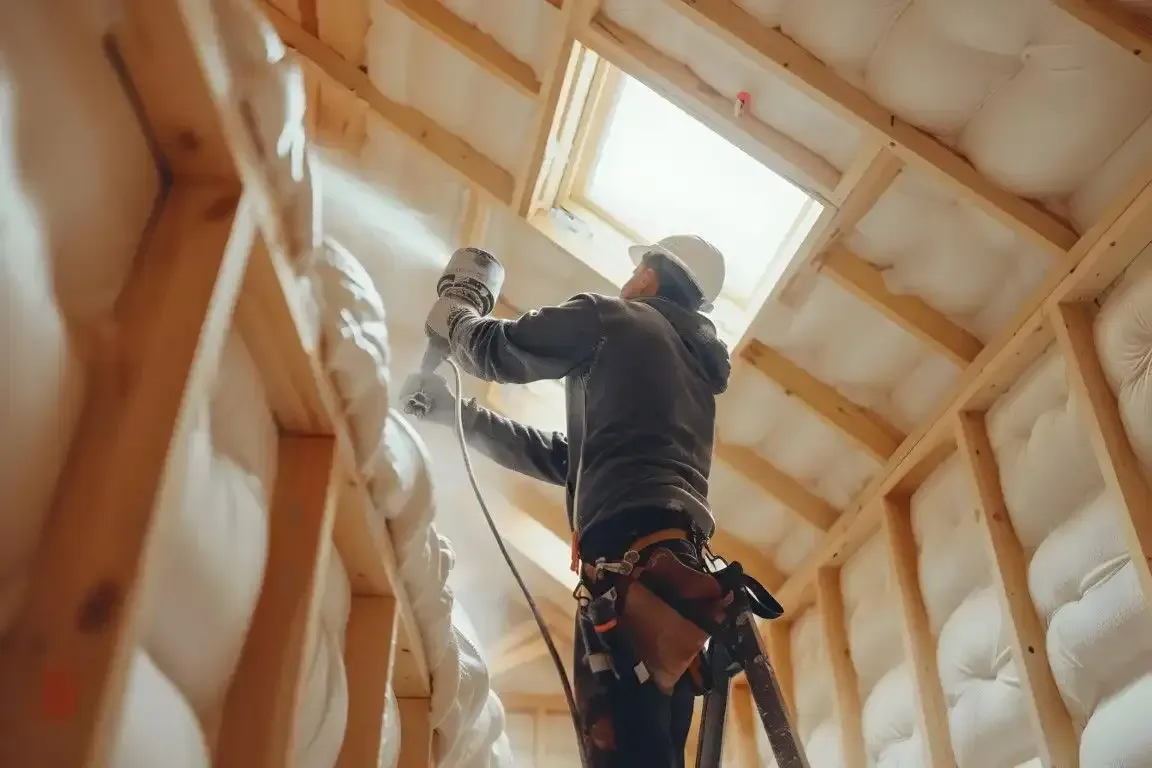
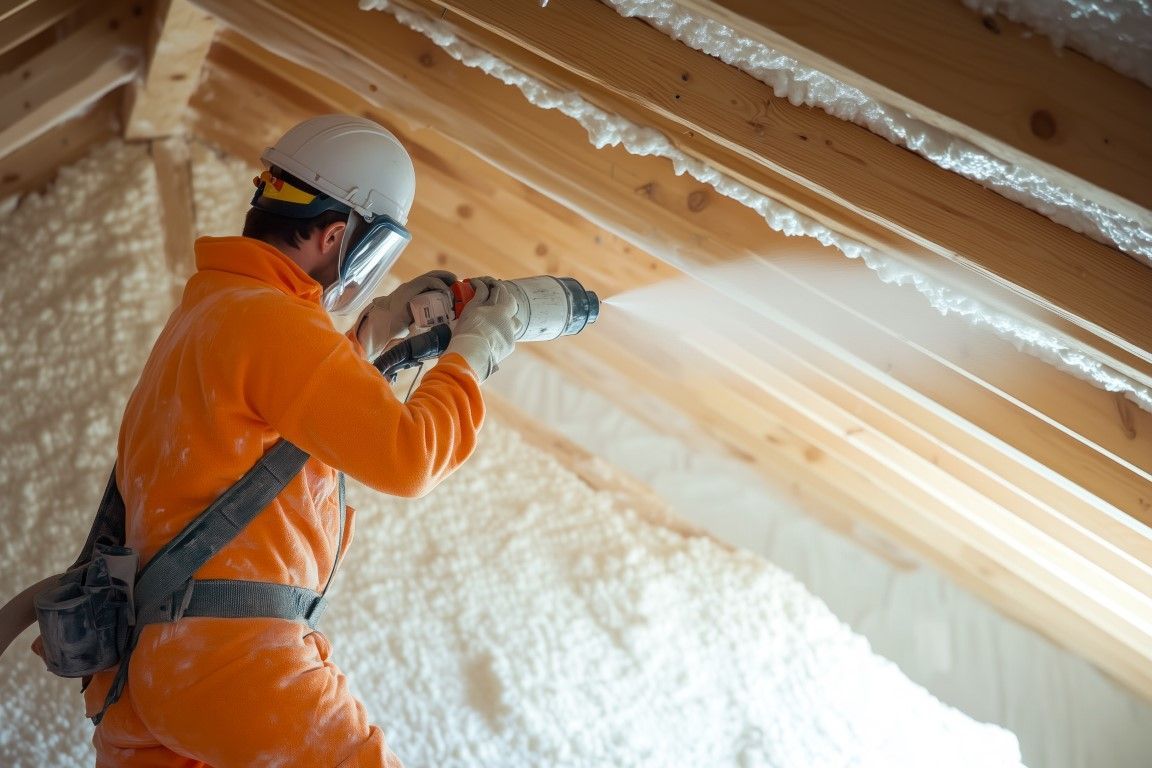
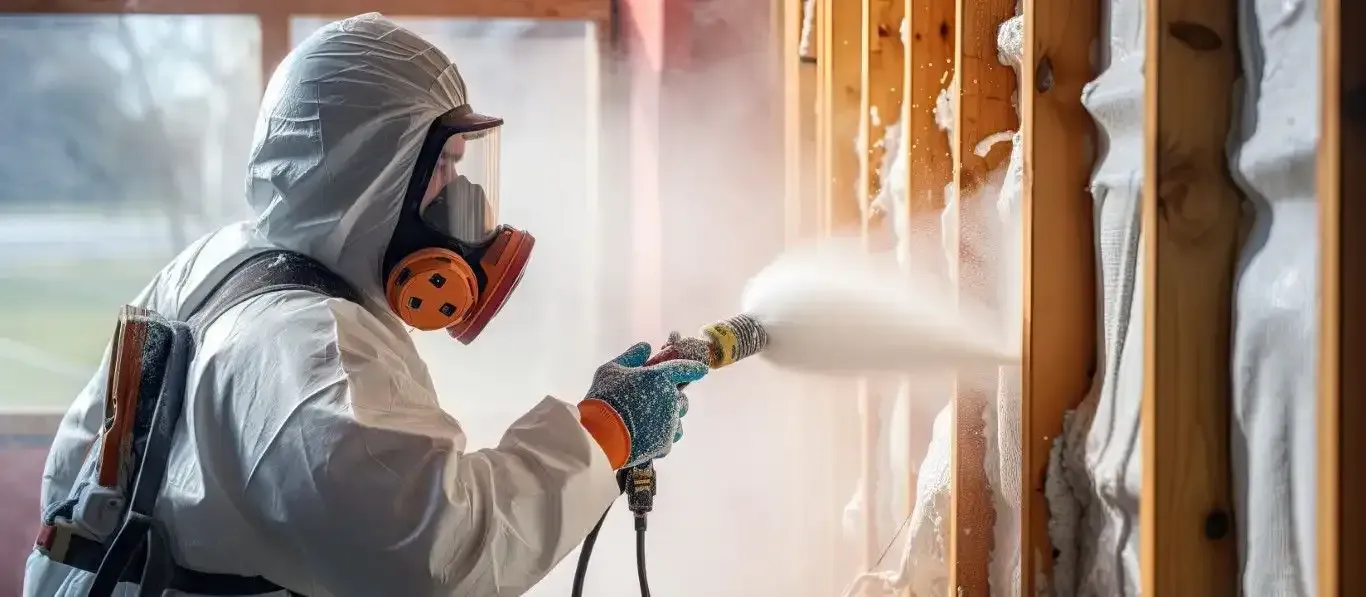
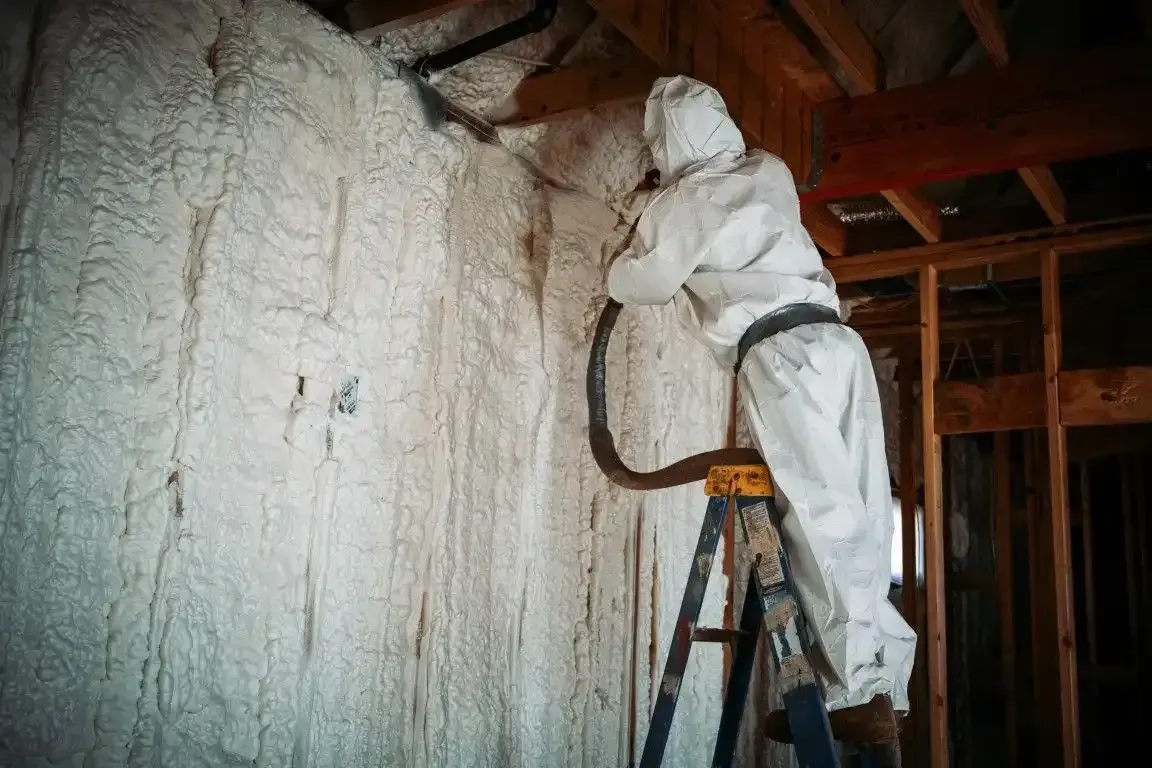
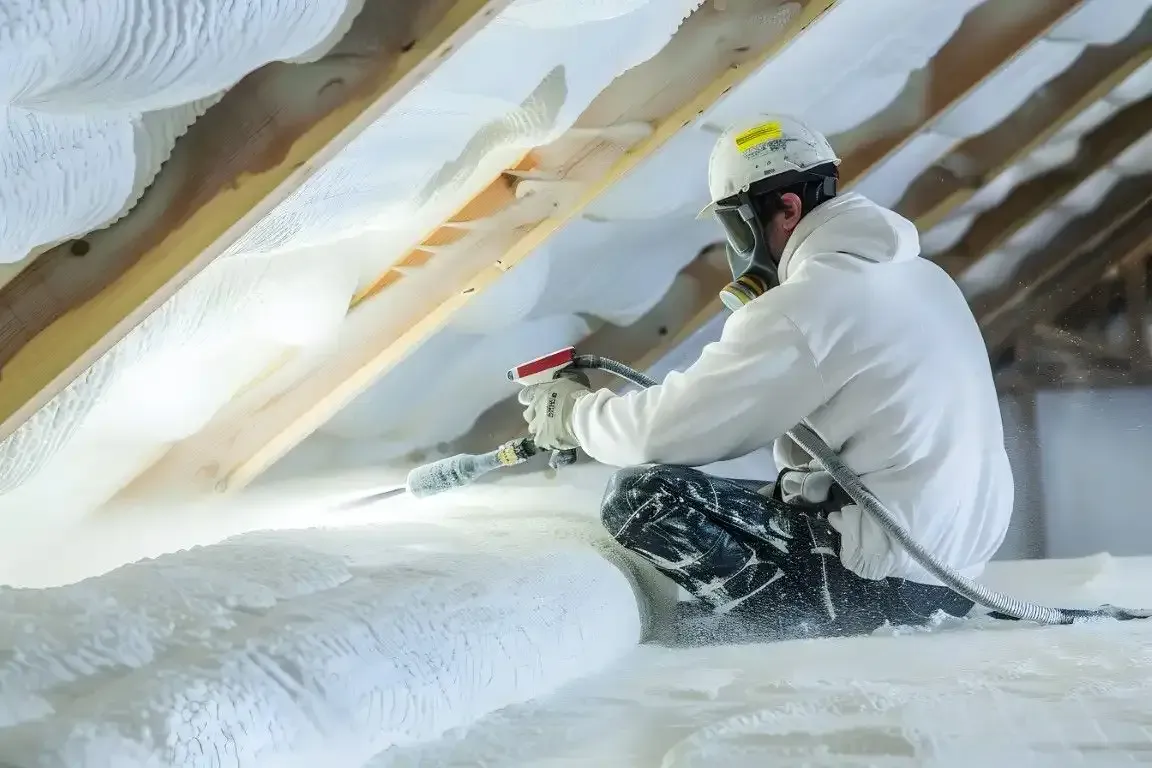
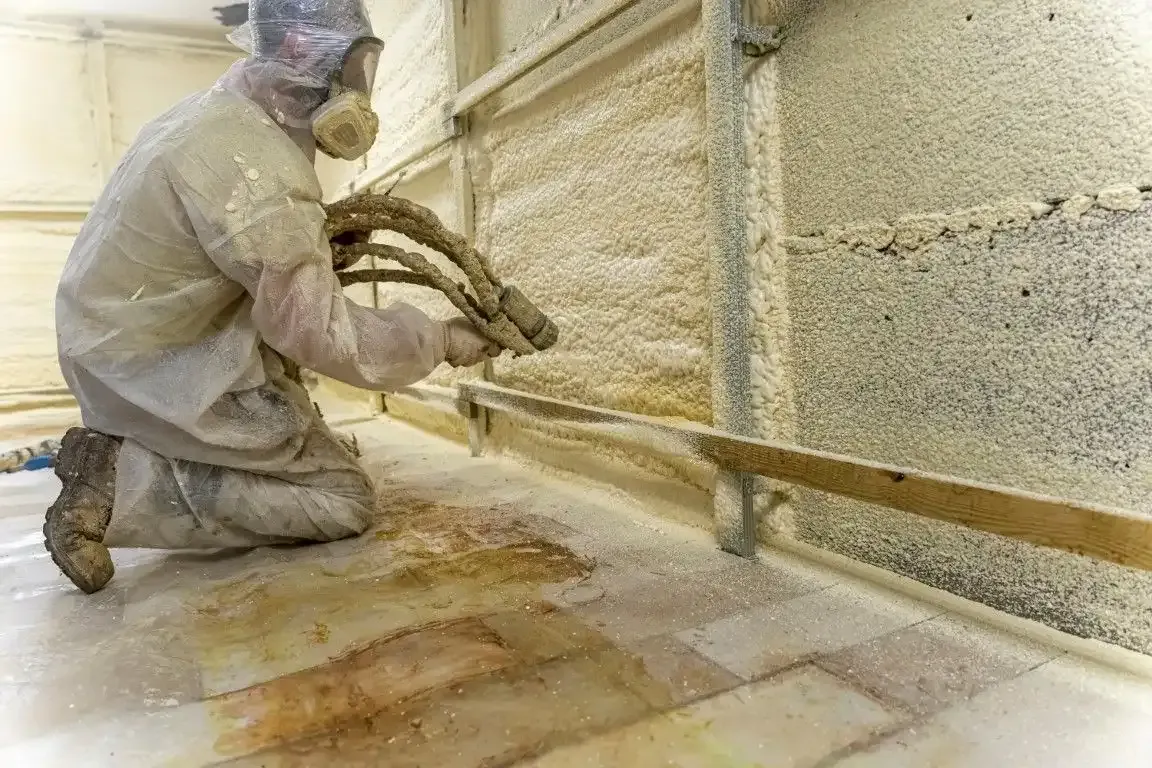
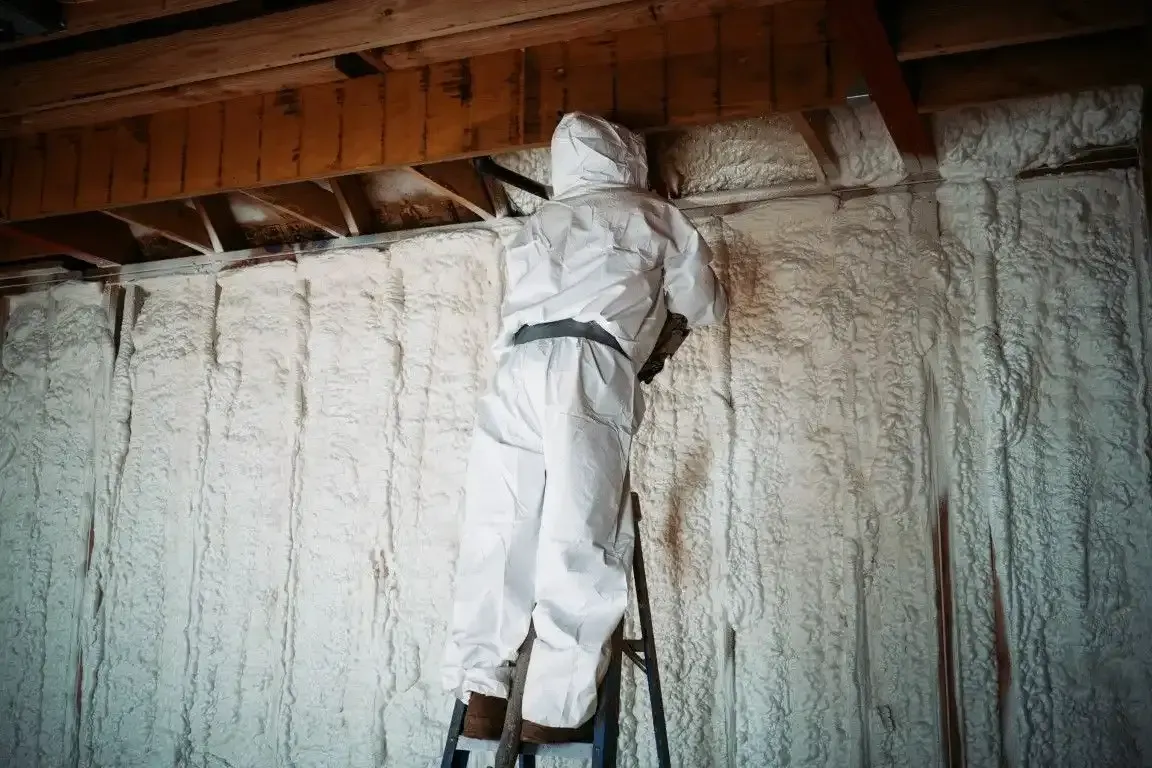
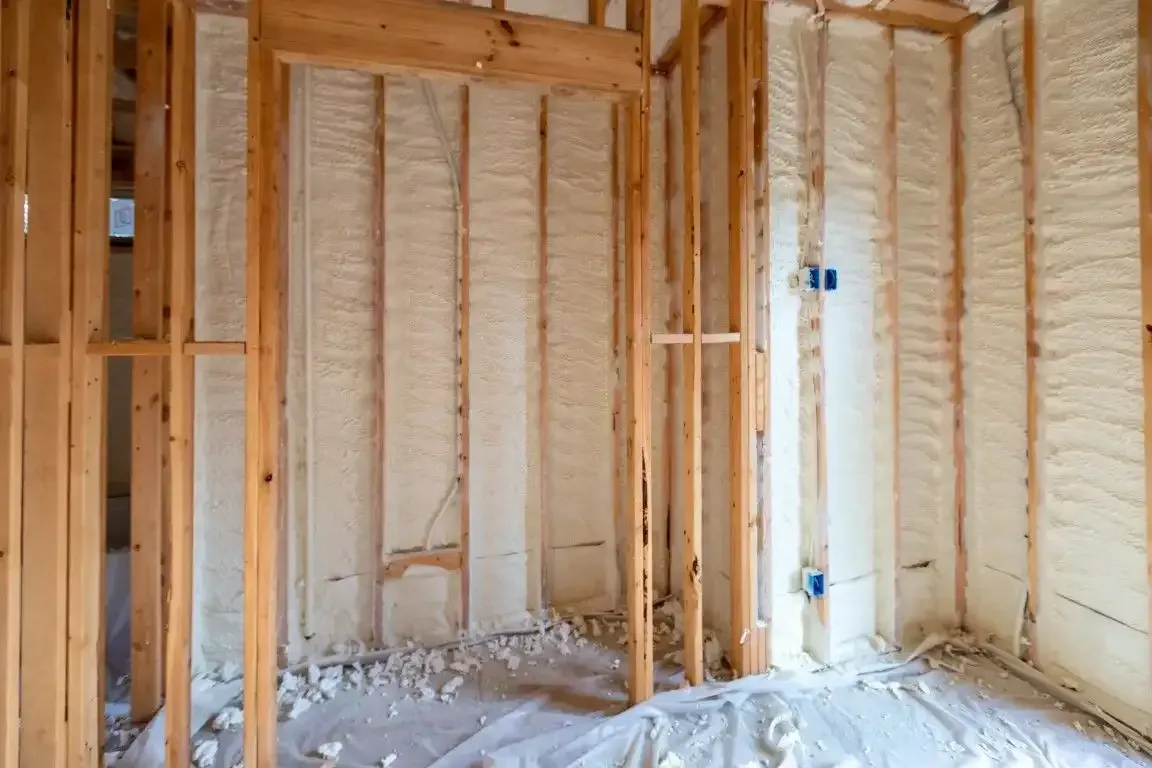
For those looking for the absolute highest R-value per inch, spray foam is the undisputed leader in the industry. It serves as both a powerful thermal insulator and a comprehensive air seal in a single application.
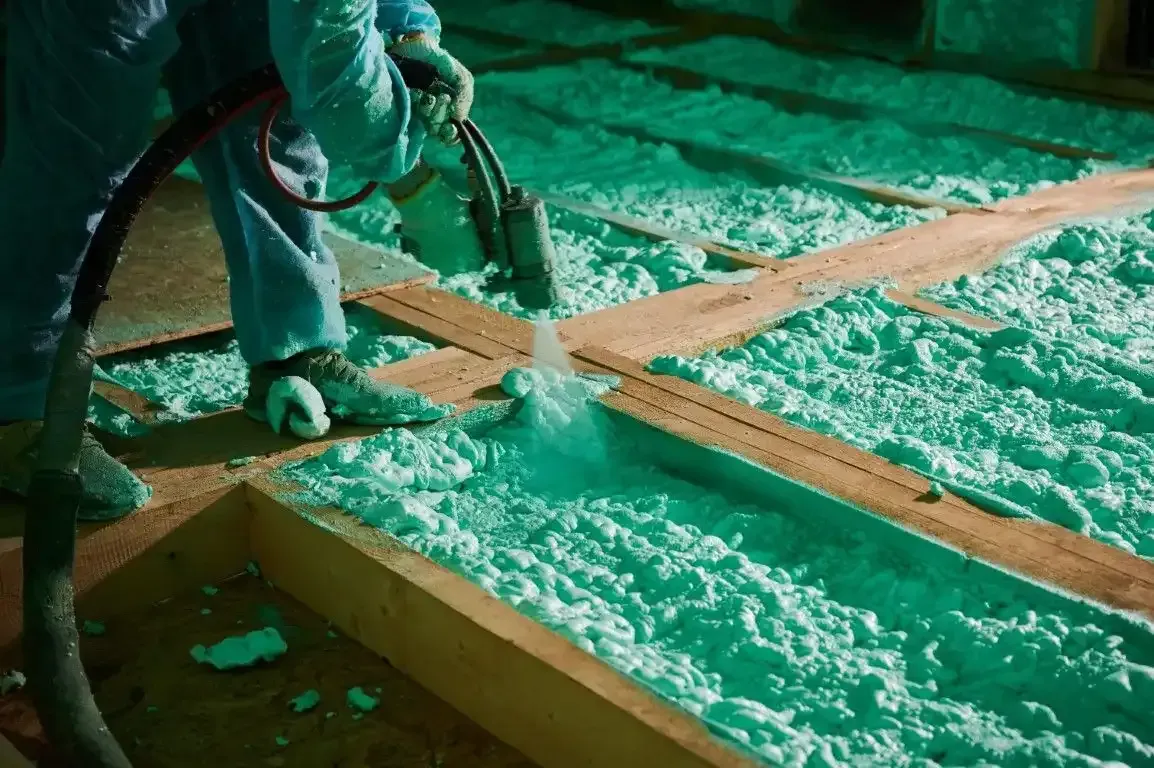
- Closed-cell spray foam can reach R-values as high as 6.0 to 7.0 per inch, nearly doubling the performance of traditional materials.
- The foam expands upon contact, sealing every air leak and structural gap that could lead to energy waste.
- It adds structural integrity to the walls and provides a robust moisture barrier that prevents condensation issues.
- Open-cell varieties offer a more affordable middle ground with excellent sound-dampening qualities and an R-value of 3.5 per inch.
While the initial price point is higher, the sheer efficiency of spray foam often leads to the fastest return on investment through energy savings.
Rigid Foam Board Applications
Rigid foam boards are essential for insulating areas where space is limited but high thermal resistance is required. They are commonly used on exterior sheathing or basement walls to create a continuous thermal break.
- Materials like Polyisocyanurate offer a high R-value of 6.0 per inch, making them incredibly space-efficient.
- These boards are easy to cut and install against flat surfaces to prevent heat from escaping through the structural framing.
- They provide a stable surface that can be combined with other insulation types to reach target efficiency goals.
- The moisture-resistant properties of Extruded Polystyrene make it the go-to choice for below-grade applications.
Utilizing foam boards ensures that even the most difficult parts of a home remain thermally protected without adding excessive bulk.
Maximizing Your Thermal Investment
Strategic insulation choices do more than just lower your monthly expenses; they fundamentally change the longevity and health of your property. By selecting a material that fits your specific climate and budget, you create a sustainable environment for your family.
Expert installation paired with high-quality materials ensures that your home remains a sanctuary against the elements for years to come. Making the right choice today provides a legacy of comfort and efficiency that adds tangible value to your entire estate.