Why Spray Foam Insulation is the Ultimate Solution for Air Sealing
Proper air sealing is the most critical factor in achieving a high-performance building envelope that stands up to modern energy standards. While traditional materials provide thermal resistance, they often fail to address the microscopic gaps and cracks that allow expensive conditioned air to escape the house.
Choosing a material that functions as both an insulator and a comprehensive air barrier is essential for long-term comfort and structural integrity. By eliminating the uncontrolled movement of air, homeowners can finally gain total command over their indoor environment and utility expenses.
Expansion and Void Filling Capabilities
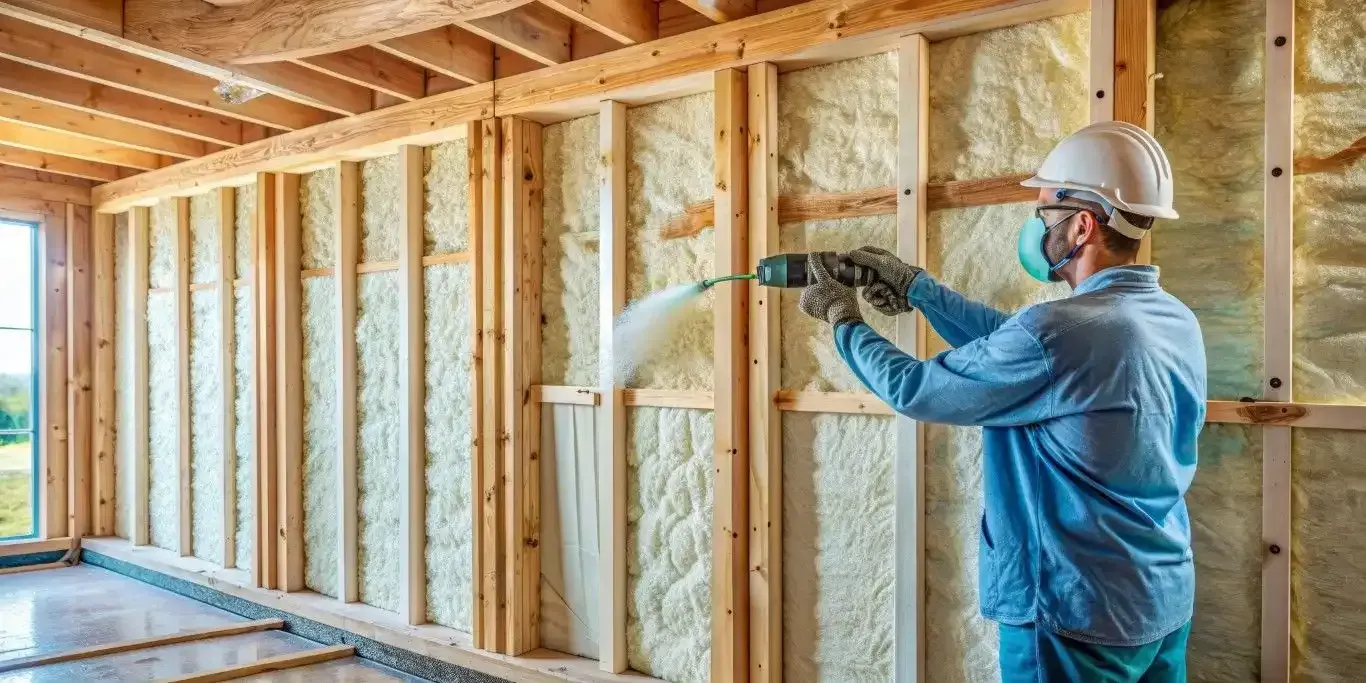
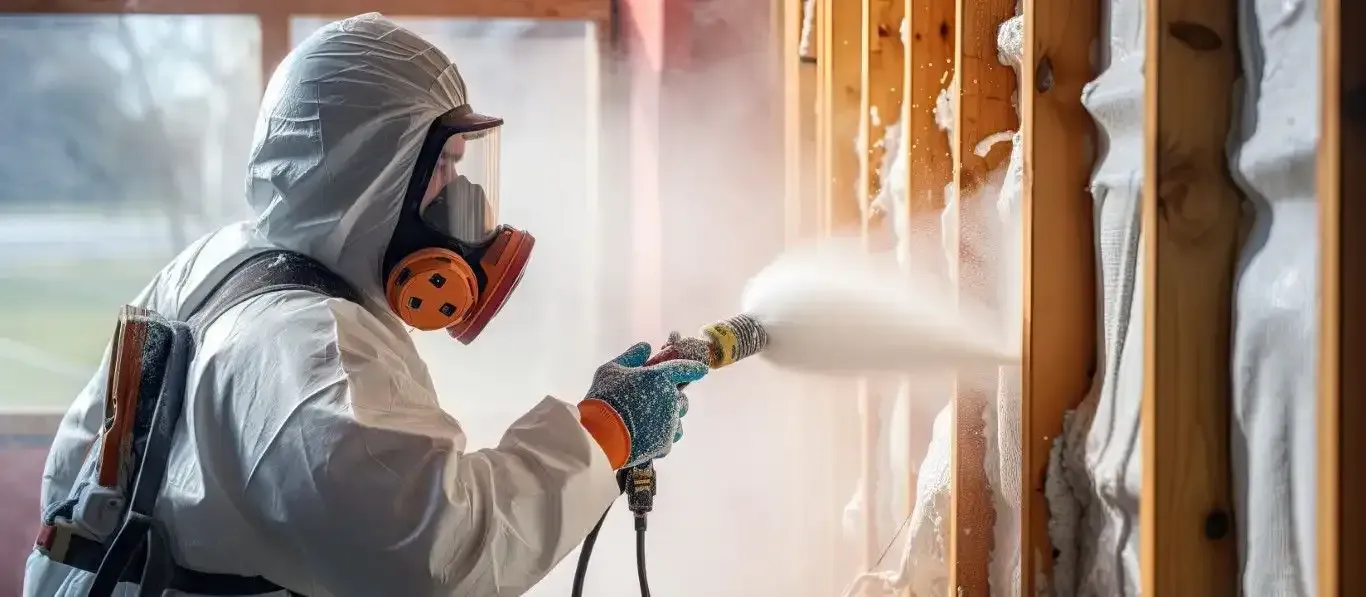
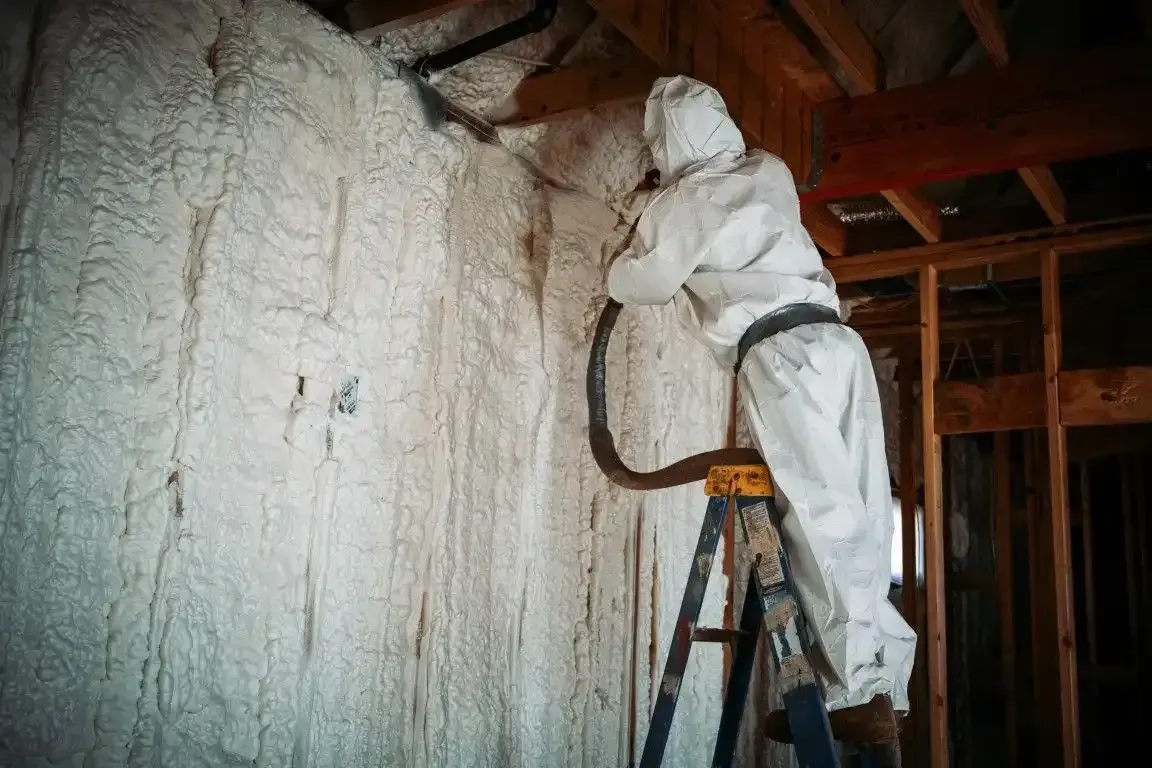
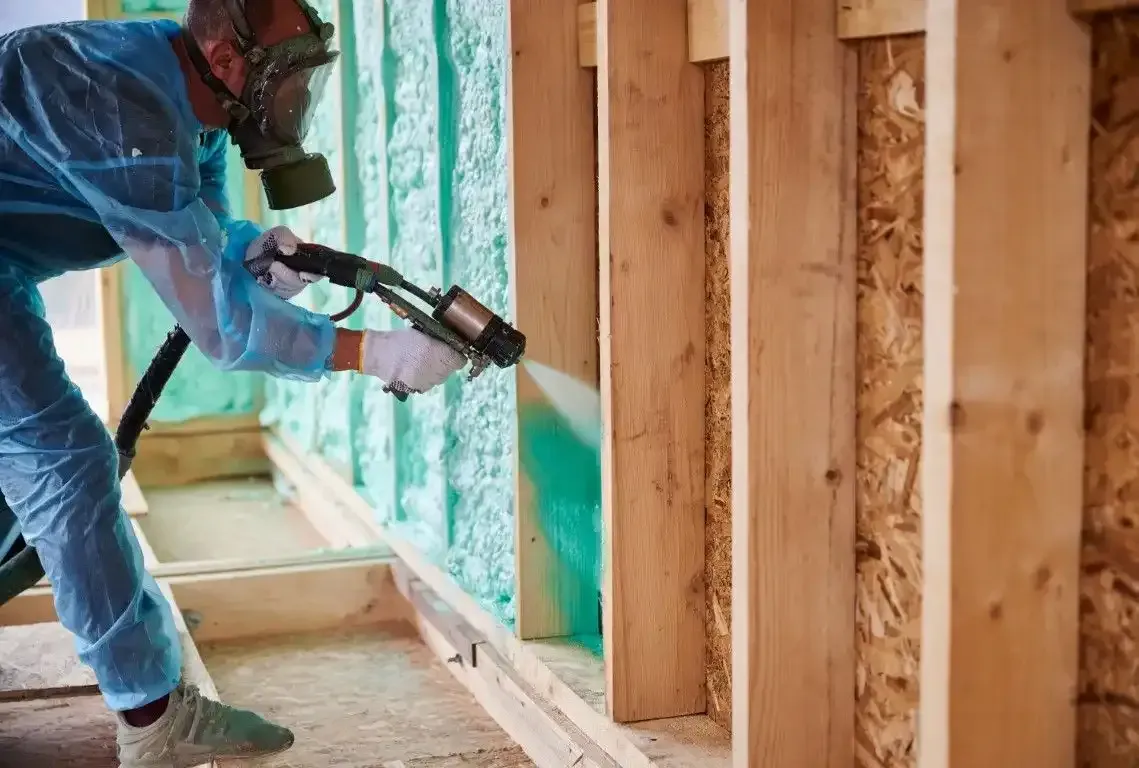
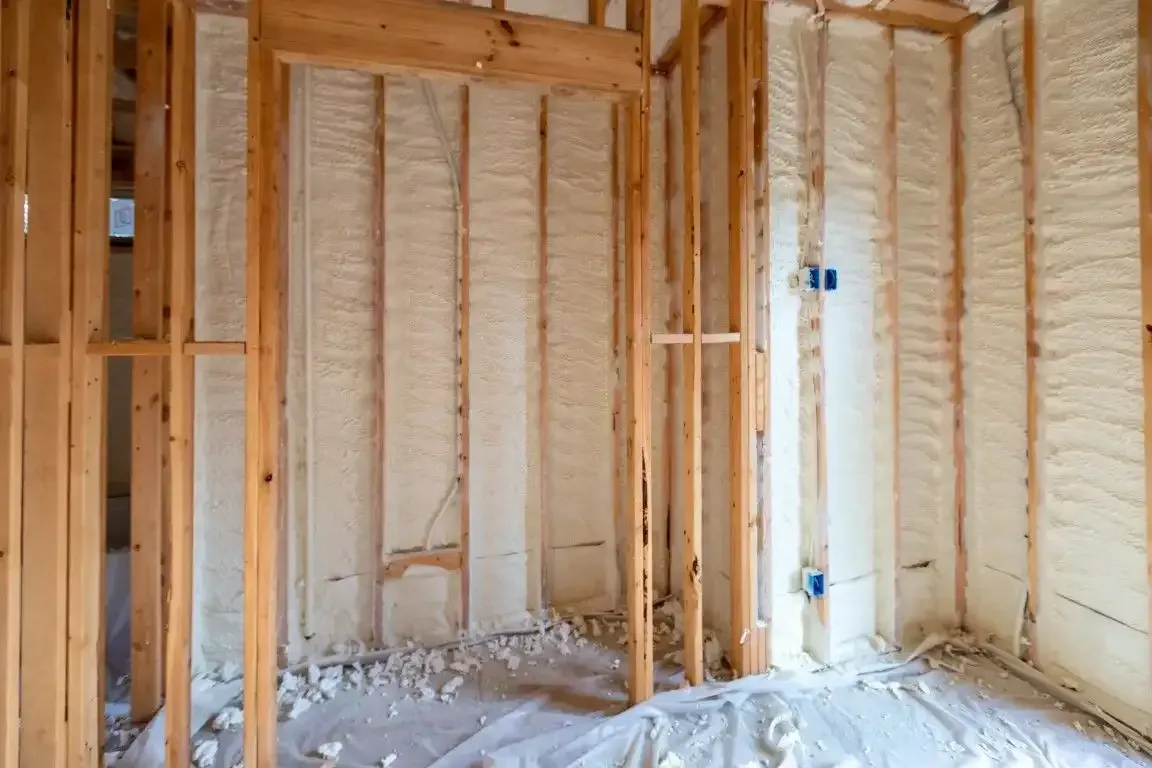
The unique liquid-to-foam transition of spray foam allows it to reach into the smallest crevices that are physically impossible to fill with fiberglass or cellulose. As the material expands, it creates a custom-fitted seal around every irregular shape and structural obstruction within the wall cavity.
- Spray foam expands up to thirty times its liquid volume upon application to ensure no void is left unfilled.
- The material conforms perfectly to rounded pipes, electrical boxes, and jagged framing members for a seamless finish.
- This expansion pressure forces the foam into hairline fractures in the building’s exterior sheathing that would otherwise leak air.
- It effectively creates a "monolithic" layer of protection that bridges the gaps between different construction materials.
This ability to fill every hidden nook ensures that the building envelope is truly continuous. No other insulation method can provide this level of detailed coverage in a single step.
Eliminating the Stack Effect
The "stack effect" occurs when warm air rises and escapes through the attic, creating a vacuum that pulls cold, unconditioned air in through the basement or crawl space. Spray foam is the ultimate solution for this problem because it creates an airtight cap at the very top of the structure.
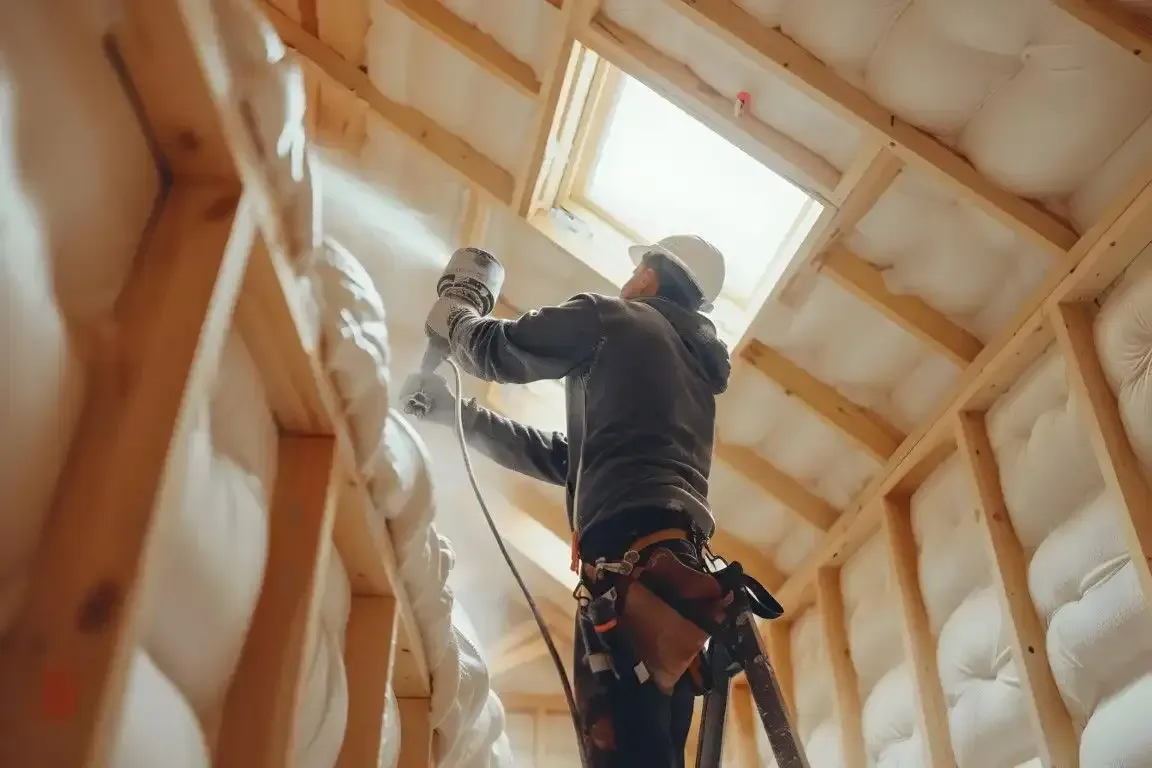
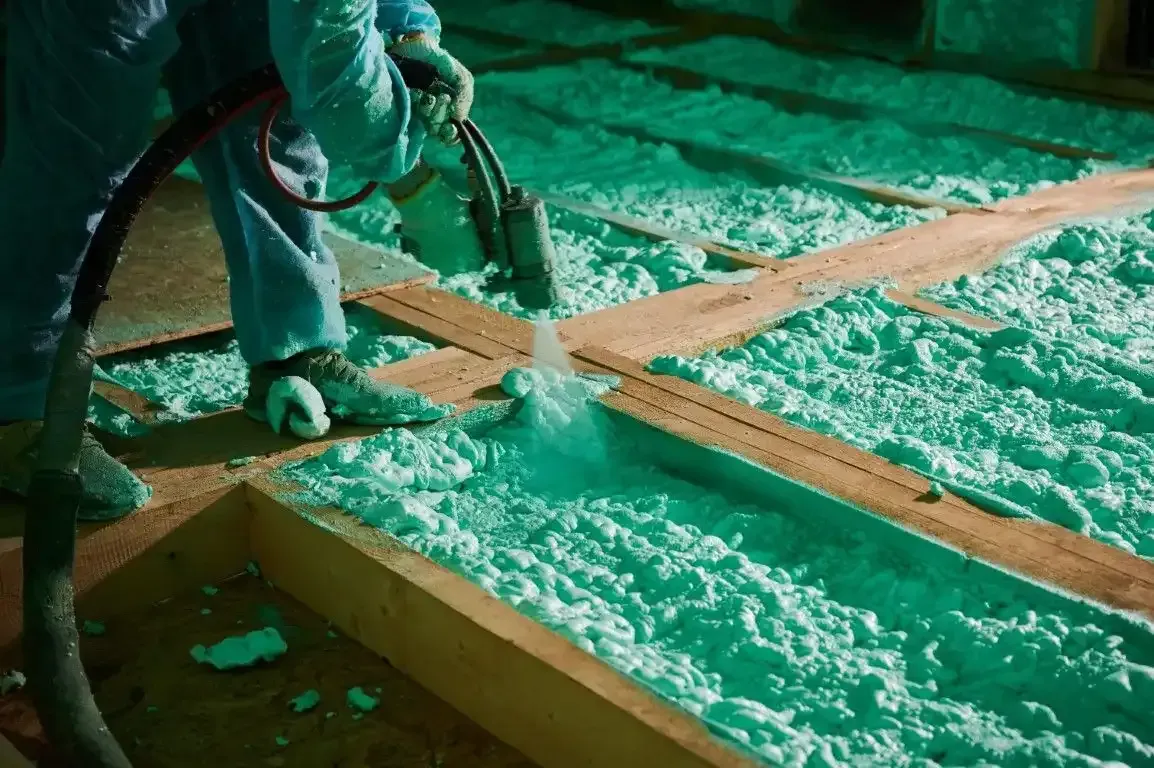
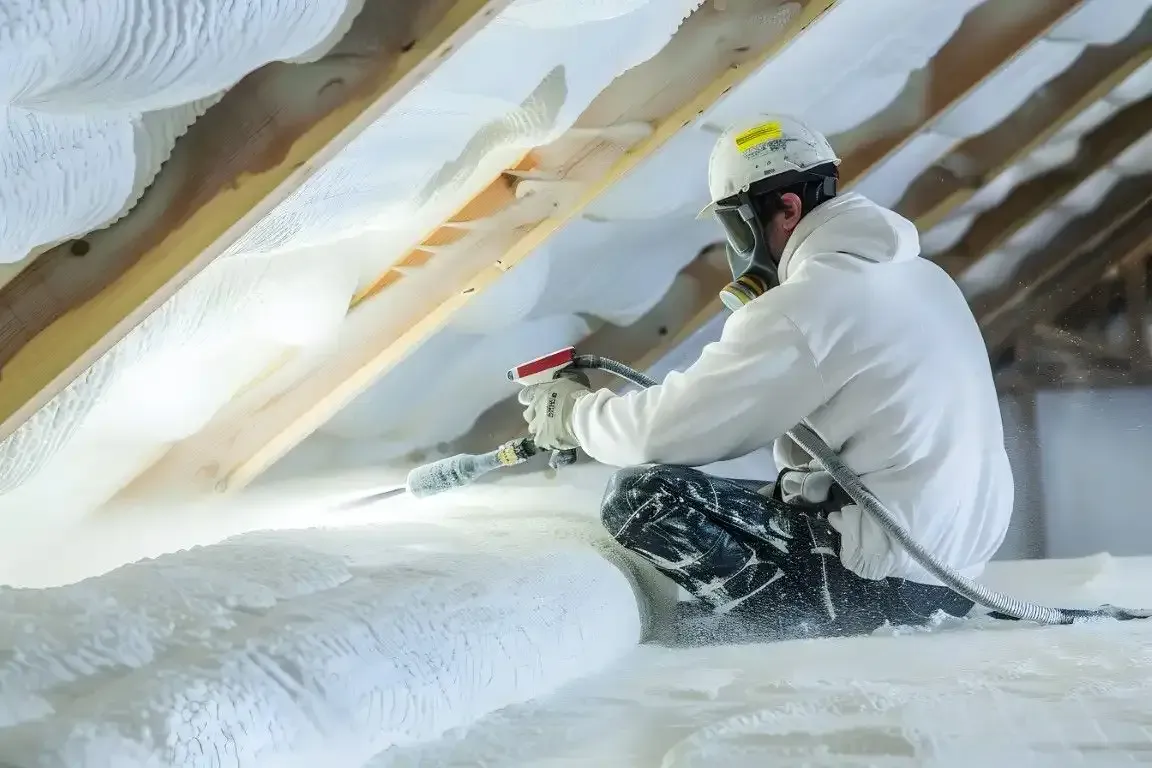
- Sealing the attic floor or roof deck with spray foam stops the upward migration of heat during the winter months.
- This material prevents the pressure imbalances that lead to drafts near baseboards and windows on the lower levels.
- By stopping the cycle of air exchange, the home maintains a much more stable and consistent temperature across all floors.
- It protects the home from the "chimney effect" that wastes energy and puts unnecessary strain on the HVAC system.
Neutralizing this natural air movement is the key to a quiet and comfortable living space. Once the stack effect is eliminated, your heating and cooling equipment can operate at peak efficiency.
Permanent Adhesion and Stability
Unlike traditional batt insulation that can sag or pull away from the studs over time, spray foam adheres directly to the substrate. This permanent bond ensures that the air seal remains intact for the entire lifespan of the building without requiring future maintenance.
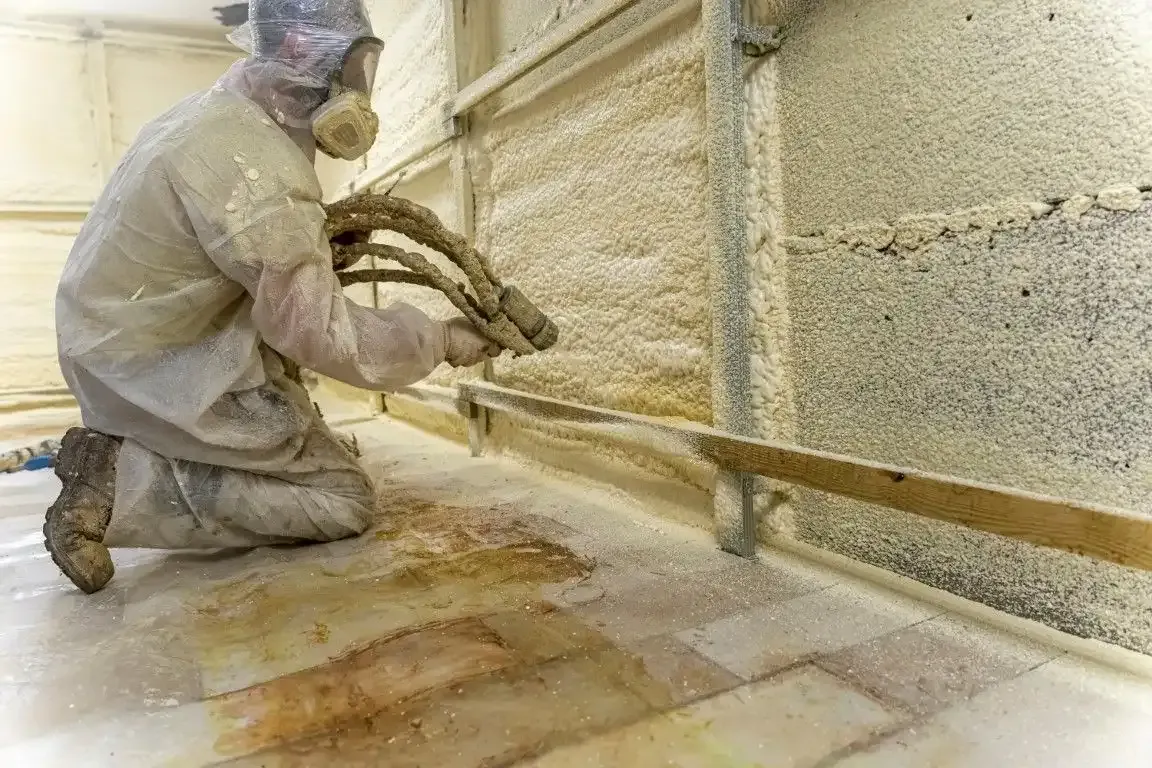
- The material sticks to wood, metal, and masonry, creating a durable bond that does not fluctuate with seasonal humidity.
- Because it is a rigid material once cured, it will not settle or compress due to gravity or vibrations.
- The adhesion prevents "wind washing," where outdoor air blows through the insulation and reduces its thermal effectiveness.
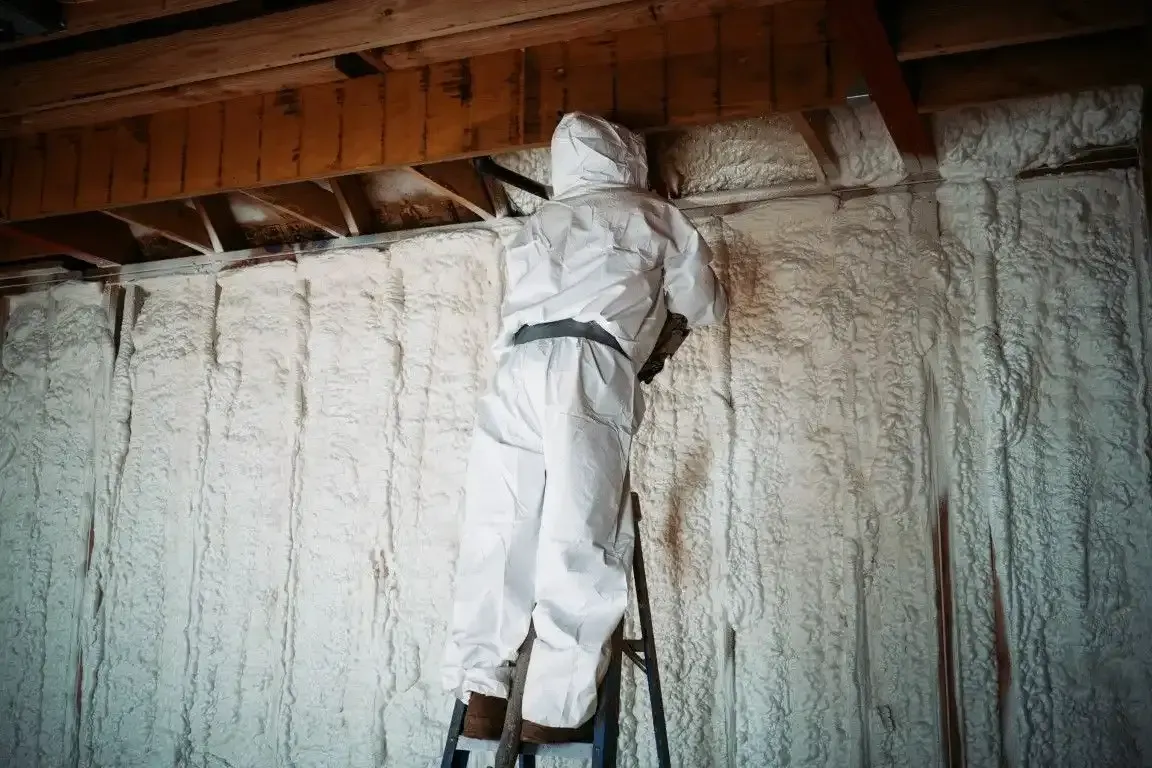
- It maintains its shape and seal even in vertical applications where other materials typically fail.
This long-term stability means the air seal you install today will be just as effective decades from now. You are essentially building a permanent defensive shield into the very bones of your home.
Creating a Healthier Indoor Environment
Uncontrolled air leakage is often the primary source of outdoor pollutants, allergens, and dust entering the home. Spray foam acts as a high-performance filter by physically blocking these particles from bypassing your home’s walls.
- The airtight seal prevents pollen, smog, and wildfire smoke from infiltrating the living areas through small gaps.
- It denies entry to insects and small pests that typically use air bypasses as highways into the attic or crawl space.
- A tighter seal allows your indoor air filtration system to work more effectively by managing a controlled volume of air.
- The material does not shed fibers or contribute to dust, making it a cleaner choice for families with respiratory sensitivities.
A well-sealed home is a cleaner home, providing a sanctuary of pure air for your family. By managing air movement, you are taking a proactive step toward a healthier lifestyle.
Moisture Management and Mold Prevention
Air leaks often carry hidden moisture that can condense inside walls, leading to wood rot and invisible mold growth. Spray foam, especially the closed-cell variety, provides a robust moisture barrier that stops this vapor migration in its tracks.
- The material prevents warm, moist indoor air from hitting cold exterior surfaces where condensation occurs.
- It protects the structural framing from the damaging effects of humidity and seasonal dampness.
- By keeping the wall cavities dry, it eliminates the conditions necessary for mold and mildew to thrive.
- This moisture control extends the life of your siding, paint, and internal structural members.
Protecting your home from water damage is just as vital as saving on energy. The air-sealing properties of spray foam ensure that your structure remains dry, strong, and safe for years to come.
Securing the Future of Your Home’s Envelope
Investing in a comprehensive air seal is the most significant upgrade a homeowner can make for long-term structural health and comfort. By choosing a solution that provides both high R-value and an airtight barrier, you are future-proofing your property against rising energy costs.
A perfectly sealed home offers a level of quiet and climate control that traditional insulation simply cannot match. This commitment to quality creates a lasting legacy of efficiency and value that every homeowner can appreciate.