Temecula Insulation Company
(951) 395-8678
Blogs and Articles
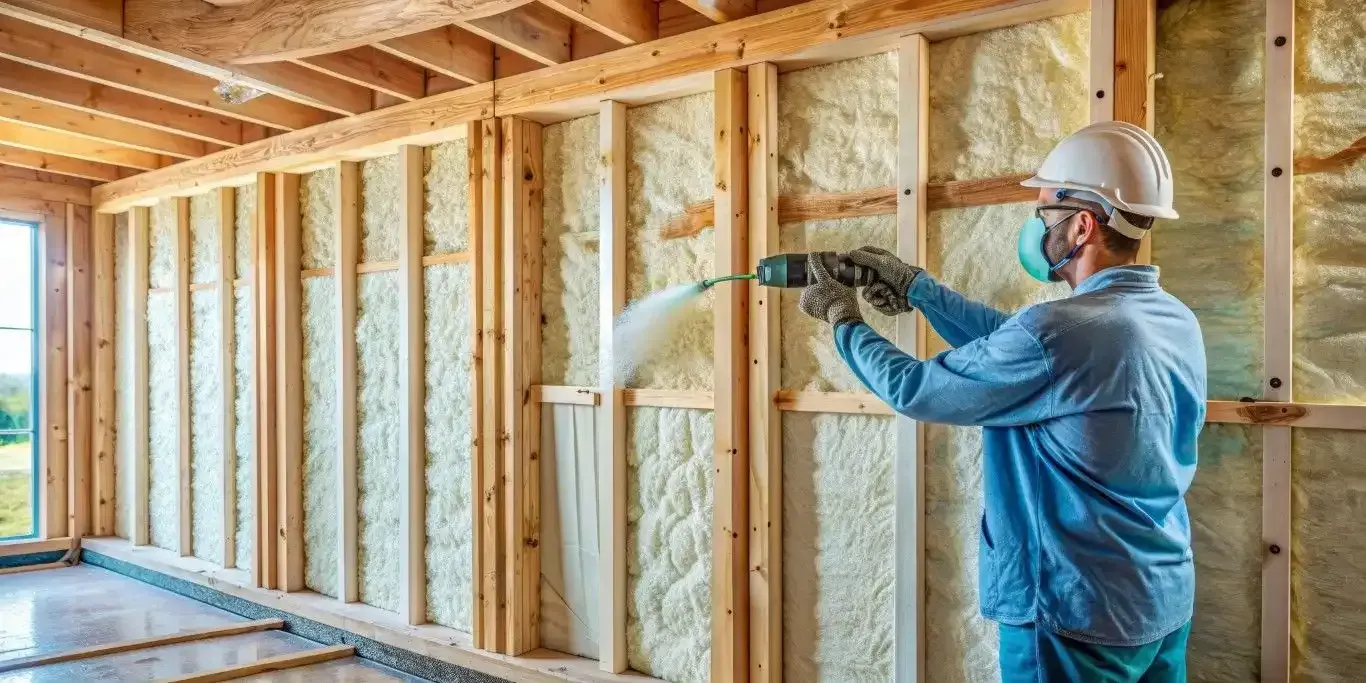
Discover the hidden financial and structural risks of neglecting wall insulation. Learn how poor thermal barriers lead to high utility bills, moisture damage, and decreased home value.
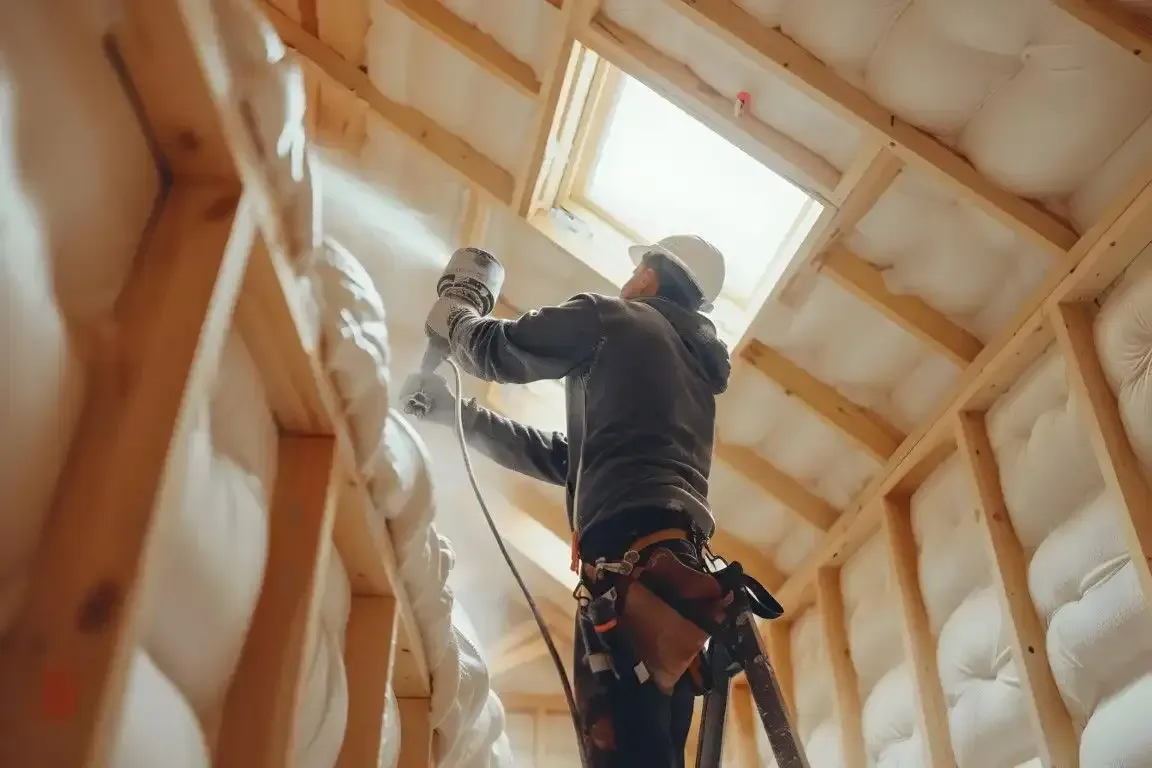
While high-quality insulation is vital for stopping heat transfer, it cannot function at peak performance without a properly balanced ventilation system. A stagnant attic traps heat and moisture, which eventually compromises the integrity of the insulating materials and the structure of the home itself. Achieving a healthy equilibrium between fresh air intake and hot air exhaust is the secret to a durable and efficient roofing system. By understanding the symbiotic relationship between airflow and thermal protection, homeowners can avoid costly repairs and ensure year-round comfort. Preventing Moisture Accumulation and Mold During the colder months, warm and moist air from the living space often migrates into the attic despite the best insulation. Without adequate ventilation to carry this moisture away, it condenses on cold surfaces, creating a breeding ground for biological growth. Effective airflow flushes out humid air before it can settle on wooden rafters and roof sheathing. Keeping the attic dry prevents the clumping and matting of fiberglass or cellulose insulation , which destroys its R-value. A well-ventilated space inhibits the growth of mold and mildew that can negatively impact the air quality of the entire home. Proper moisture management protects the structural integrity of the roof by preventing wood rot and decay. A dry attic is a healthy attic that supports the longevity of your home’s skeletal frame. Maintaining this airflow ensures that your insulation remains fluffy and effective for its entire intended lifespan. Extending the Life of Your Roof Extreme heat trapped in an unventilated attic can reach temperatures that essentially bake your roofing materials from the inside out. This excessive thermal stress leads to the premature aging of shingles, causing them to curl, crack, and lose their protective granules. Consistent air circulation prevents the roof deck from reaching temperatures that can warp plywood or OSB boards. Balanced intake and exhaust vents help keep shingle temperatures within the manufacturer's recommended operating range. By reducing the thermal load on the roof, you can significantly delay the need for an expensive full roof replacement. A cooler roof deck also minimizes the expansion and contraction of materials, which reduces the likelihood of leaks. Protecting your roofing investment starts with the air moving underneath it. When the roof stays cool, the materials remain stable and perform their job of shedding water far more reliably. Mitigating the Risk of Ice Dams In snowy climates, poor attic ventilation is the primary culprit behind the formation of destructive ice dams at the roof’s edge. When heat escapes into a stagnant attic, it melts the snow on the roof, which then refreezes at the cold eaves. Vents help maintain a "cold roof" temperature that ensures snow melts evenly rather than in concentrated patches. Soffit vents provide the necessary intake of cool air to keep the bottom of the roof deck at a consistent temperature. Preventing ice dams stops water from backing up under shingles and leaking into the walls or ceilings of your home. Proper airflow reduces the need for dangerous manual snow removal or the installation of expensive heating cables. Managing the temperature of your roof deck is a critical safety measure for any property in a winter environment. A balanced system keeps the water flowing off the roof rather than into your living room. Maximizing Energy Efficiency and Comfort Even the thickest layers of insulation will eventually absorb and radiate heat if the attic air remains trapped and scorching. Proper ventilation allows the attic to breathe, which prevents it from becoming a massive heat reservoir that fights against your air conditioner. Exhaust vents allow the hottest air at the peak of the roof to escape naturally through convection. Lowering the ambient attic temperature reduces the thermal pressure on the insulation, making it more effective. A cooler attic means the rooms directly below stay comfortable without requiring the HVAC system to run constantly. The combination of fresh air and thick insulation provides the most stable indoor climate possible during summer peaks. Thermal performance is a two-part equation that requires both a barrier and a release valve. When these two systems work in harmony, your utility bills stay low and your comfort levels remain high. Balancing Intake and Exhaust Vents For a ventilation system to work correctly, it must have a balanced ratio of intake vents at the eaves and exhaust vents at the ridge. If the system is lopsided, it can create stagnant pockets of air or even pull air from the living space instead of the outdoors. Soffit vents act as the intake, pulling in cool, fresh air from the lowest point of the roofline. Ridge vents or gable vents serve as the exhaust, letting the hottest air exit at the highest point. Baffles should be installed to ensure that the insulation does not block the airflow from the soffits. A professionally balanced system creates a natural "passive" flow that requires no electricity to operate. Airflow must be a continuous loop to be effective at regulating the attic environment. Ensuring that your vents are clear and unobstructed is the final step in a high-performance home strategy. Securing the Foundation of Home Performance Prioritizing attic ventilation is a strategic investment that safeguards every other component of your home's exterior. By allowing your house to breathe, you are protecting your insulation, your roof, and your family's daily comfort from the effects of extreme weather. A well-ventilated home stands as a resilient sanctuary that is prepared for the challenges of every season. Taking the time to ensure proper airflow today provides the peace of mind that comes with a durable, efficient, and well-maintained property.
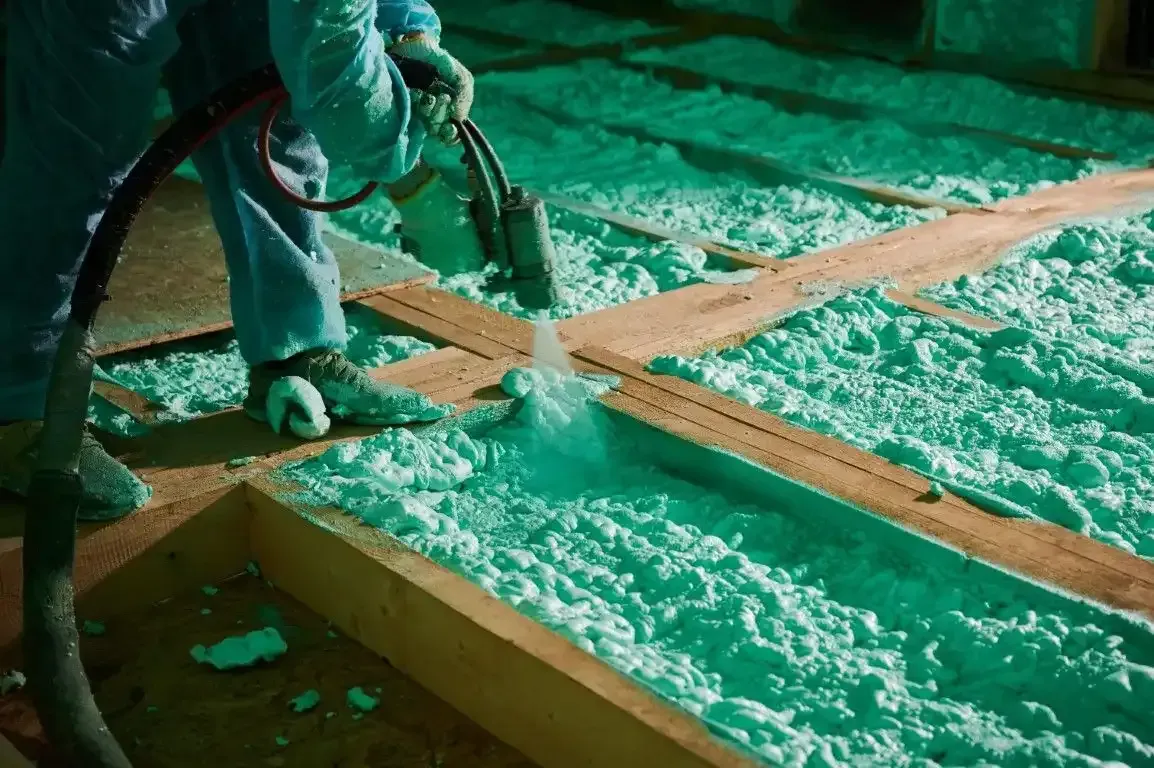
Living in the Temecula Valley brings the challenge of enduring intense summer temperatures that regularly climb into the triple digits. Without a robust thermal barrier in your attic, this extreme radiant heat penetrates your roof and turns your living space into an oven. Maintaining a high-performance insulation system is the most effective way to combat the local climate and keep your household comfortable. Prioritizing this upgrade ensures that your home remains a cool sanctuary while protecting your wallet from rising seasonal utility costs. Blocking Radiant Heat Transfer The sun beating down on a tile or shingle roof can raise attic temperatures to over one hundred and fifty degrees. High-quality attic insulation acts as a defensive shield, significantly slowing the movement of this heat into your bedrooms and living areas. Modern materials like blown-in fiberglass or cellulose are designed to break the cycle of radiant heat absorption. Properly installed layers prevent the ceiling from becoming a giant radiator that beams heat downward into your home. Achieving a high R-value is critical in Southern California to handle the high thermal load during July and August. Installing a radiant barrier alongside traditional insulation can reflect up to ninety-seven percent of the sun's heat before it even enters the material. By stopping the heat at the roofline, you prevent your home's interior from reaching dangerous levels. This proactive approach is the only way to maintain a manageable indoor climate during a Temecula heatwave. Reducing the Load on Air Conditioning Systems Inland Empire homeowners often struggle with air conditioners that run nonstop throughout the afternoon and evening. When your attic is poorly insulated, your cooling system has to fight a losing battle against the heat pouring in from above. Thick attic insulation allows your air conditioner to reach the desired thermostat setting much faster. By maintaining a stable temperature, the system cycles on and off less frequently, which saves on electrical consumption. Reducing the workload on your HVAC unit helps prevent the mechanical failures that commonly occur during peak summer usage. Homeowners often see an immediate and dramatic drop in their monthly Southern California Edison bills after a professional upgrade. A more efficient home environment means your cooling equipment doesn't have to work nearly as hard to do its job. This reduction in strain extends the life of your expensive mechanical systems and lowers your carbon footprint. Addressing Material Settling and Degradation Many older homes in the region still rely on original insulation that has thinned out or settled over the decades. In the dry, hot climate of Temecula, these materials can become brittle and lose the loft required to provide adequate thermal resistance. Visual checks often reveal that original fiberglass batts have compressed, leaving the wooden floor joists exposed. Settled insulation creates "thermal bridges" where heat can bypass the protection and enter your home directly. A professional top-off with blown-in material fills these gaps and restores the R-value to modern efficiency standards. Newer materials are specifically treated to resist the high-heat environments common in Southern California attics. nsuring your insulation remains at the correct height is a vital maintenance step for any long-term property owner. Refreshing these layers is a small investment that provides a massive return in year-round comfort. Improving Indoor Air Quality and Sealing Extreme heat can pull dust, allergens, and outdoor pollutants into your home through small cracks in the attic floor. Combining high-quality insulation with professional air sealing creates a cleaner environment for your family to breathe. Sealing gaps around light fixtures and plumbing stacks prevents dirty attic air from migrating into your living spaces. Modern insulation materials help filter out pollen and smog that often plague the Inland Empire during the summer. A tighter seal keeps out small pests and insects that are often driven indoors by the searching heat. Better air management reduces the amount of dust that accumulates on your furniture and inside your ductwork. A well-insulated home isn't just cooler; it is a healthier place to live. By managing how air moves between the attic and the house, you create a pristine indoor sanctuary. Protecting Your Property Value and Longevity The intense heat of the Temecula sun can cause structural materials to expand and contract, leading to premature wear on your home's framing. Stable attic temperatures provided by deep insulation help protect the "bones" of your house from these extreme thermal cycles. Keeping the attic cooler prevents the roof deck from overheating, which can extend the lifespan of your shingles or tiles. Proper insulation levels are a major selling point for prospective buyers who are wary of high utility costs in California. A stable thermal environment prevents the warping of drywall and wood trim caused by excessive heat. Documented energy efficiency upgrades add tangible market value to your property in a competitive real estate market. Investing in your attic is a commitment to the long-term structural health of your most valuable asset. The protection you install today will continue to pay dividends for as long as you own the home. Securing Your Sanctuary Against the Elements Taking the step to upgrade your attic insulation is the most effective way to future-proof your home against the rising temperatures of Temecula. When you create a high-performance thermal barrier, you are choosing a lifestyle of consistent comfort and financial predictability. By prioritizing this essential home improvement, you ensure that your family can relax in a cool, quiet environment no matter how high the mercury rises. This commitment to efficiency is the hallmark of a well-maintained and resilient California home.
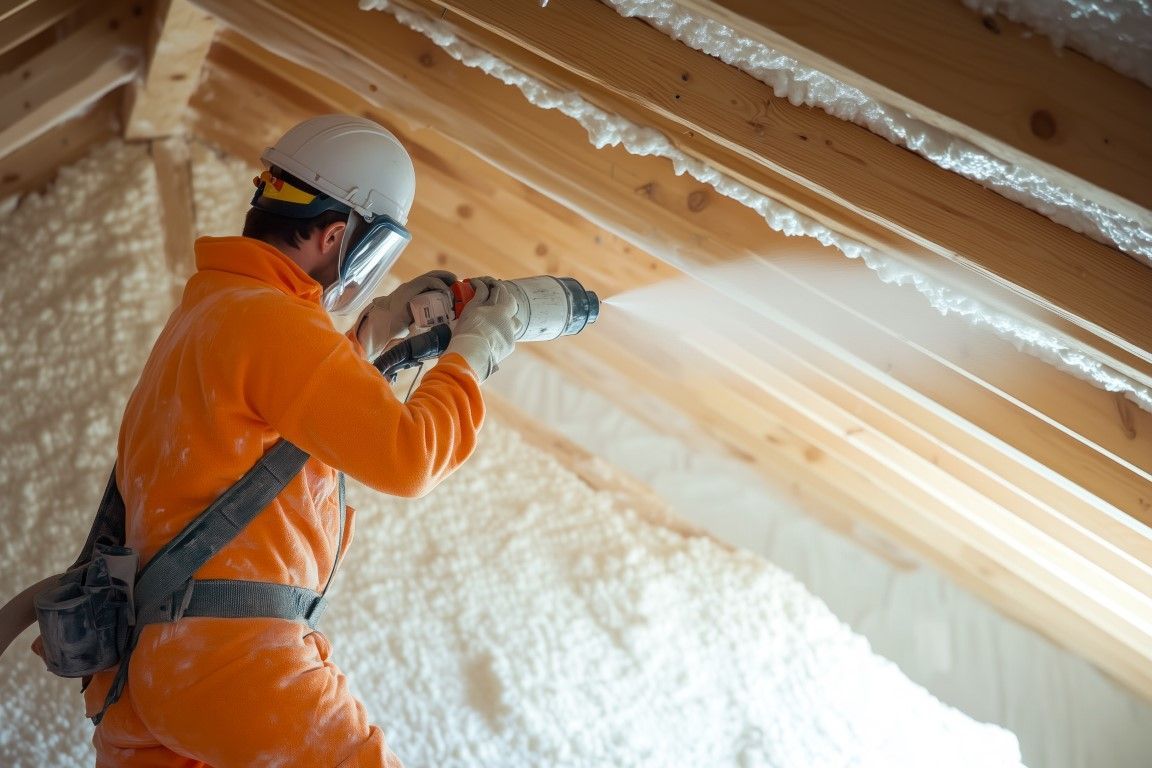
Proper air sealing is the most critical factor in achieving a high-performance building envelope that stands up to modern energy standards. While traditional materials provide thermal resistance, they often fail to address the microscopic gaps and cracks that allow expensive conditioned air to escape the house. Choosing a material that functions as both an insulator and a comprehensive air barrier is essential for long-term comfort and structural integrity. By eliminating the uncontrolled movement of air, homeowners can finally gain total command over their indoor environment and utility expenses. Expansion and Void Filling Capabilities The unique liquid-to-foam transition of spray foam allows it to reach into the smallest crevices that are physically impossible to fill with fiberglass or cellulose. As the material expands, it creates a custom-fitted seal around every irregular shape and structural obstruction within the wall cavity. Spray foam expands up to thirty times its liquid volume upon application to ensure no void is left unfilled. The material conforms perfectly to rounded pipes, electrical boxes, and jagged framing members for a seamless finish. This expansion pressure forces the foam into hairline fractures in the building’s exterior sheathing that would otherwise leak air. It effectively creates a "monolithic" layer of protection that bridges the gaps between different construction materials. This ability to fill every hidden nook ensures that the building envelope is truly continuous. No other insulation method can provide this level of detailed coverage in a single step. Eliminating the Stack Effect The "stack effect" occurs when warm air rises and escapes through the attic, creating a vacuum that pulls cold, unconditioned air in through the basement or crawl space. Spray foam is the ultimate solution for this problem because it creates an airtight cap at the very top of the structure. Sealing the attic floor or roof deck with spray foam stops the upward migration of heat during the winter months. This material prevents the pressure imbalances that lead to drafts near baseboards and windows on the lower levels. By stopping the cycle of air exchange, the home maintains a much more stable and consistent temperature across all floors. It protects the home from the "chimney effect" that wastes energy and puts unnecessary strain on the HVAC system. Neutralizing this natural air movement is the key to a quiet and comfortable living space. Once the stack effect is eliminated, your heating and cooling equipment can operate at peak efficiency. Permanent Adhesion and Stability Unlike traditional batt insulation that can sag or pull away from the studs over time, spray foam adheres directly to the substrate. This permanent bond ensures that the air seal remains intact for the entire lifespan of the building without requiring future maintenance. The material sticks to wood, metal, and masonry, creating a durable bond that does not fluctuate with seasonal humidity. Because it is a rigid material once cured, it will not settle or compress due to gravity or vibrations. The adhesion prevents "wind washing," where outdoor air blows through the insulation and reduces its thermal effectiveness. It maintains its shape and seal even in vertical applications where other materials typically fail. This long-term stability means the air seal you install today will be just as effective decades from now. You are essentially building a permanent defensive shield into the very bones of your home. Creating a Healthier Indoor Environment Uncontrolled air leakage is often the primary source of outdoor pollutants, allergens, and dust entering the home. Spray foam acts as a high-performance filter by physically blocking these particles from bypassing your home’s walls. The airtight seal prevents pollen, smog, and wildfire smoke from infiltrating the living areas through small gaps. It denies entry to insects and small pests that typically use air bypasses as highways into the attic or crawl space. A tighter seal allows your indoor air filtration system to work more effectively by managing a controlled volume of air. The material does not shed fibers or contribute to dust, making it a cleaner choice for families with respiratory sensitivities. A well-sealed home is a cleaner home, providing a sanctuary of pure air for your family. By managing air movement, you are taking a proactive step toward a healthier lifestyle. Moisture Management and Mold Prevention Air leaks often carry hidden moisture that can condense inside walls, leading to wood rot and invisible mold growth. Spray foam, especially the closed-cell variety, provides a robust moisture barrier that stops this vapor migration in its tracks. The material prevents warm, moist indoor air from hitting cold exterior surfaces where condensation occurs. It protects the structural framing from the damaging effects of humidity and seasonal dampness. By keeping the wall cavities dry, it eliminates the conditions necessary for mold and mildew to thrive. This moisture control extends the life of your siding, paint, and internal structural members. Protecting your home from water damage is just as vital as saving on energy. The air-sealing properties of spray foam ensure that your structure remains dry, strong, and safe for years to come. Securing the Future of Your Home’s Envelope Investing in a comprehensive air seal is the most significant upgrade a homeowner can make for long-term structural health and comfort. By choosing a solution that provides both high R-value and an airtight barrier, you are future-proofing your property against rising energy costs. A perfectly sealed home offers a level of quiet and climate control that traditional insulation simply cannot match. This commitment to quality creates a lasting legacy of efficiency and value that every homeowner can appreciate.
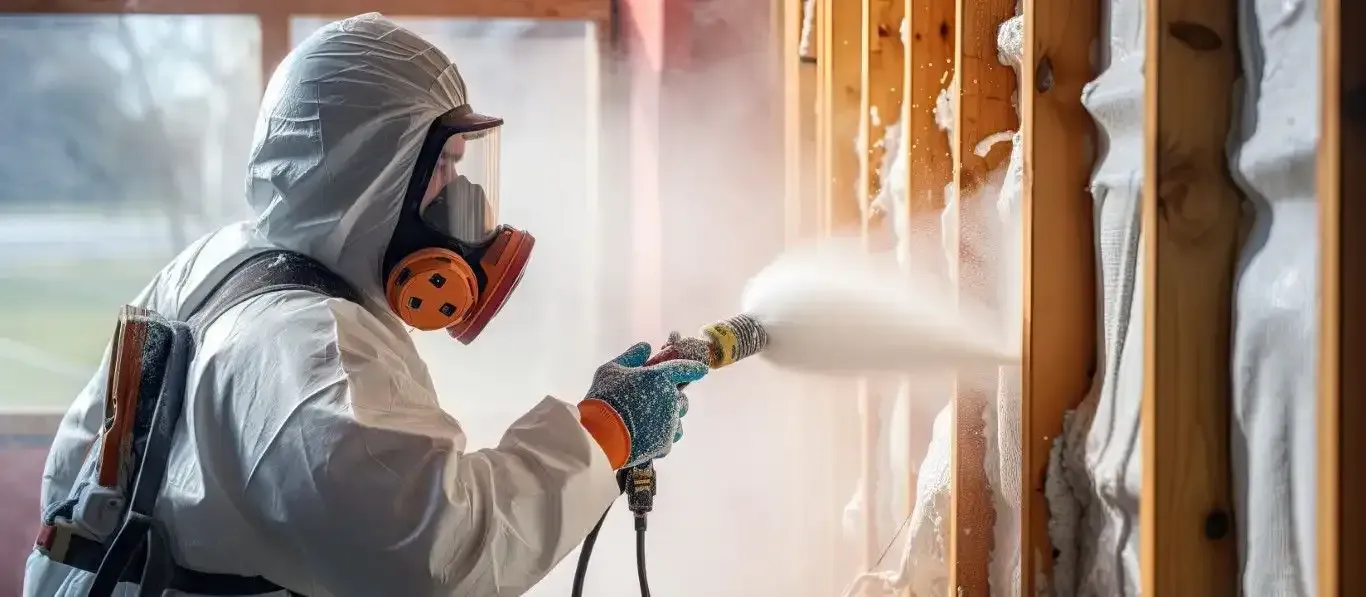
Switching to spray foam insulation is one of the most effective ways for homeowners to gain control over their monthly utility expenses. Unlike traditional materials that simply slow down heat transfer, spray foam creates a comprehensive thermal and air barrier that fundamentally changes how a building breathes. The initial investment in this advanced technology pays for itself by drastically reducing the energy required to heat and cool your living space. By addressing the root causes of energy waste, spray foam provides a permanent solution for a more affordable and sustainable household. Creating a Total Airtight Seal The primary reason spray foam saves so much money is its unique ability to expand and fill every tiny crack and crevice within a wall or attic. Traditional batts often leave small gaps around wires, pipes, and outlets that allow expensive conditioned air to leak out of the house. Spray foam expands up to thirty times its liquid volume, creating a custom-fit seal that stops all air infiltration. By eliminating drafts, the material prevents the "chimney effect" where warm air escapes through the roof and pulls cold air in from the bottom. This airtight barrier ensures that every cubic foot of air you pay to heat or cool stays inside the living area for as long as possible. It effectively seals off bypasses in the building envelope that are often invisible to the naked eye. When you stop air from moving through your walls, you stop money from flying out of your pockets. This total seal is the foundation of high-performance energy savings. Superior R-Value Per Inch Spray foam offers one of the highest R-values of any insulation material available on the market today. This means you can achieve a higher level of thermal resistance in a thinner profile, which is especially valuable in tight spaces or older homes. Closed-cell spray foam provides an R-value of approximately 6.0 to 7.0 per inch, nearly double that of fiberglass. Higher R-values mean the material is much more effective at stopping heat from radiating through the roof during a summer heatwave. Because the material is so dense, it maintains its thermal performance even in extreme temperature fluctuations. The high efficiency of the material allows homeowners to reach target energy codes with less bulk. Investing in a material with a higher R-value ensures that your home remains a fortress against the elements. This superior resistance translates directly into lower demand on your heating and cooling equipment. Reducing HVAC Equipment Wear When a home is properly sealed with spray foam, the furnace and air conditioner do not have to cycle on and off nearly as often to maintain a steady temperature. This reduction in workload not only lowers your daily energy consumption but also extends the life of your expensive mechanical systems. A consistent indoor climate prevents the short-cycling that leads to premature motor failure and high repair costs. Homeowners can often downsize to smaller, less expensive HVAC units because the home requires less energy to stay comfortable. The system runs more efficiently because it is no longer fighting against constant drafts and thermal leaks. Lowering the runtime of your equipment significantly reduces your monthly carbon footprint and electric bills. By protecting your HVAC system, you are avoiding the multi-thousand dollar cost of early equipment replacement. Spray foam acts as a protective partner for your home's mechanical heart. Permanent Performance Without Settling Unlike loose-fill or batt insulation, spray foam is a rigid material that adheres directly to the building structure and does not sag, settle, or compress over time. This means the R-value you pay for on day one is the same R-value you will have twenty years later. The material remains in place even in vertical wall cavities where traditional insulation often slides down over time. It is not affected by gravity or humidity, ensuring that no bare spots or "cold zones" develop in your attic. Because it doesn't settle, there is no need to pay for "top-offs" or maintenance every few years. The chemical stability of the foam ensures it won't break down or lose its shape in the attic's harsh environment. A one-time installation provides a lifetime of savings without the need for future adjustments. This "set it and forget it" nature makes spray foam a highly cost-effective long-term asset. Preventing Moisture and Mold Damage Moisture intrusion is a major source of hidden costs for homeowners, leading to wood rot, mold remediation, and structural repairs. Spray foam provides a robust moisture barrier that prevents humid air from condensing inside your walls and causing damage. Closed-cell foam is impermeable to water, protecting your home's wooden framing from the effects of leaks or humidity. By preventing mold growth, you avoid the high medical and professional cleaning costs associated with indoor air quality issues. The material seals out pollen and outdoor pollutants, which can reduce the need for expensive air filtration and duct cleaning. A dry home is a more durable home, preserving the resale value of your property for the future. Protecting your home from water damage is just as important as saving on energy bills. The dual-purpose nature of spray foam as both an insulator and a moisture shield provides unmatched value. Maximizing Your Home’s Financial Efficiency Choosing spray foam is a strategic move that transforms your home into a high-performance machine. The immediate drop in utility costs, combined with the long-term protection of your structure, makes it a premier home improvement choice. By securing your home’s thermal envelope today, you are locking in lower living expenses for decades to come. This investment provides the daily comfort and financial peace of mind that every homeowner deserves.
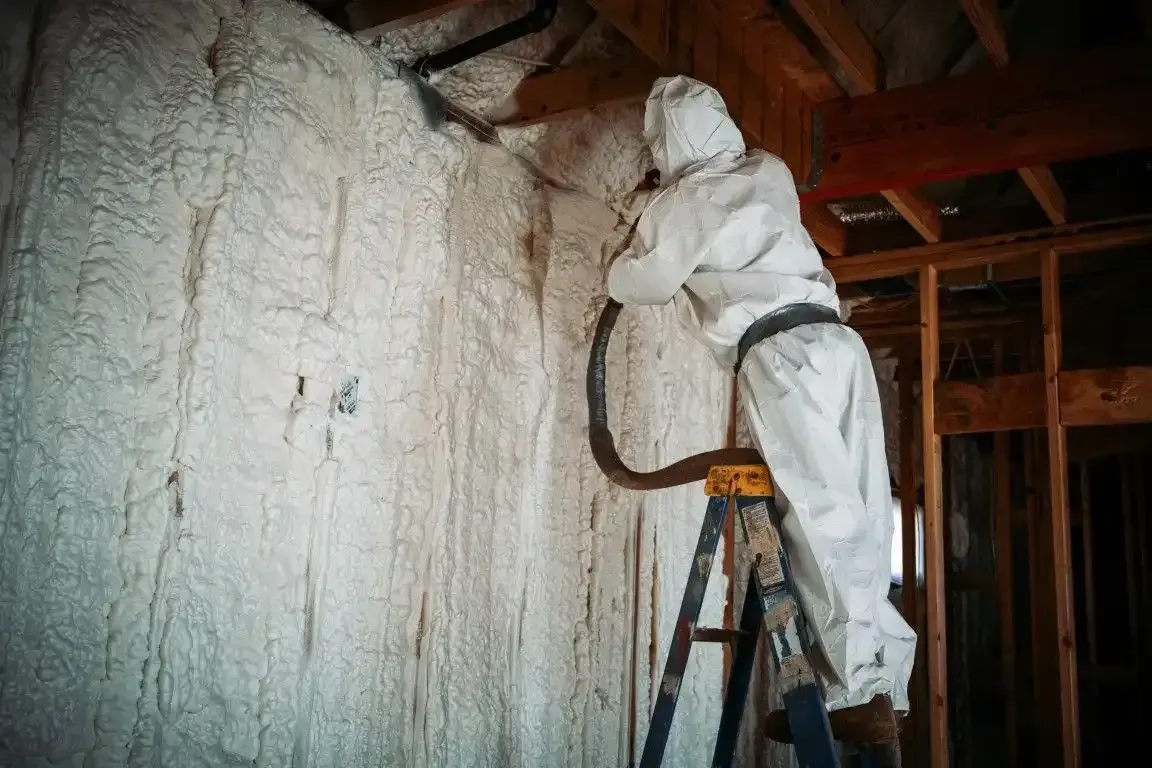
As residential properties age, the materials that keep them comfortable and energy-efficient often begin to degrade or lose their original effectiveness. Many homeowners overlook the attic, yet this invisible layer of protection is the most critical factor in maintaining a consistent indoor climate during harsh weather. Restoring your home's thermal envelope with a strategic top-off can solve years of frustrating temperature swings and high energy costs. By addressing the natural thinning of older materials now, you secure a more sustainable and affordable future for your household. Restoring Lost R-Value and Loft Over several decades, gravity and environmental moisture cause traditional insulation materials to compress and lose their fluffy consistency. This loss of loft directly translates to a lower R-value, meaning your home can no longer resist heat flow as effectively as it once did. Adding a fresh layer of blown-in fiberglass or cellulose fills in the air pockets created by years of material settling. A top-off restores the depth required to meet modern energy codes, which are much stricter than those in place when older homes were built. New material covers the tops of ceiling joists, which often act as thermal bridges that leak heat into the attic. This process allows you to achieve maximum thermal resistance without the high cost of a full removal and replacement. By replenishing the thickness of your attic floor, you create a dense barrier that stands up to modern efficiency standards. This simple restoration is often the fastest way to bring an aging structure into the modern era of performance. Eliminating Hidden Air Leaks and Gaps Aging homes are notorious for developing small cracks and bypasses around light fixtures, plumbing stacks, and chimney flues. A fresh application of blown-in material acts like a heavy blanket, settling into these irregular spaces to stop unwanted airflow. Loose-fill insulation is specifically designed to flow into tight corners and hard-to-reach crevices that original batt insulation often misses. The small particles of a top-off create a more continuous seal over the entire attic floor, reducing drafts in the rooms below. Filling these gaps prevents the "chimney effect," where warm air escapes through the roof while pulling cold air in through the basement. It provides an opportunity to identify and seal major bypasses that have been leaking energy for years. Stopping air movement is just as important as stopping heat transfer for total home comfort. A comprehensive top-off ensures that every square inch of your ceiling is working to keep your expensive conditioned air where it belongs. Reducing Strain on Aging HVAC Systems When your insulation is thin, your furnace and air conditioner must work twice as hard to maintain the temperature set on your thermostat. This constant cycling leads to increased wear and tear, eventually resulting in expensive mechanical failures or a shortened system lifespan. A well-insulated attic allows your HVAC system to reach the target temperature faster and remain idle for longer periods. Lowering the workload on your equipment can delay the need for a costly system replacement by several years. Stable temperatures prevent the system from "short-cycling," which is one of the leading causes of high electric and gas bills. New insulation helps maintain a comfortable environment even during peak load times in the middle of a summer heatwave. Protecting your mechanical investment is one of the primary financial benefits of maintaining a thick layer of insulation. By helping your system work smarter rather than harder, you enjoy a more reliable home environment. Improving Sound Dampening and Quietness Older homes often lack the acoustic privacy found in modern construction, but adding dense insulation can significantly reduce outside noise. A top-off adds a thick layer of sound-absorbing material that keeps street noise, sirens, and wind from disturbing your peace. The dense fibers of cellulose or fiberglass blown-in material are excellent at absorbing high-frequency sounds. A thicker attic floor prevents the "drumming" sound of heavy rain on the roof from echoing through the house. Insulation also helps dampen internal noises, making the transition between different levels of the home feel more private. This upgrade creates a noticeably quieter atmosphere that supports better sleep and a more relaxed daily life. Peace and quiet are essential components of home comfort that are often forgotten during energy audits. Adding volume to your insulation is an easy way to turn your home into a silent sanctuary away from the world. Preventing Moisture and Mold Issues Inadequate insulation in an older home often leads to uneven roof temperatures, which can cause condensation to form on the underside of the roof deck. This moisture is a primary trigger for mold growth and wood rot that can compromise the structural integrity of your property. A consistent layer of insulation prevents warm, moist air from the living space from hitting cold surfaces in the attic. Keeping the attic temperature uniform helps prevent ice dams, which are a major source of water damage in many climates. Modern blown-in materials are treated with fire retardants and mold inhibitors to keep your home safer. Properly distributed material ensures that your roof remains at a stable temperature, extending the life of your shingles. Protecting the structure of your house is the ultimate goal of any major maintenance project. By regulating the thermal environment in the attic, you prevent the conditions that allow decay to take hold. Future-Proofing Your Home’s Value and Comfort Investing in an insulation top-off today is a proactive decision that secures the value of your property for years to come. Prospective buyers prioritize homes with documented energy upgrades, as they represent lower future costs and immediate comfort. By choosing to revitalize your home's protection this year, you are ensuring a more resilient and enjoyable living space for your family. This small upgrade provides a significant return on investment that you will feel in every room and see in every utility statement.
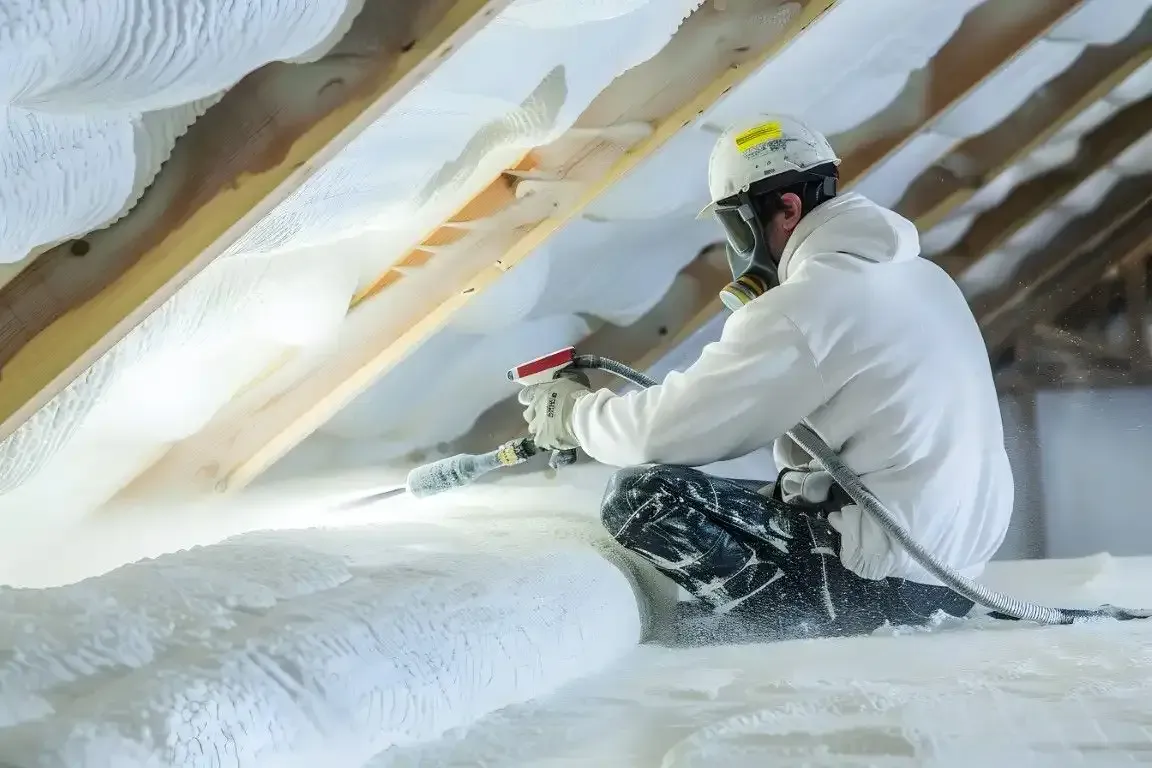
Determining the correct depth for blown-in insulation is one of the most impactful decisions a California homeowner can make for long-term energy savings. Given the state's diverse climate zones, having a precise thermal barrier is essential to prevent the intense summer sun from radiating through the roof and into your living space. Achieving the proper thickness ensures that your air conditioning system doesn't have to work overtime during a heatwave. By following established energy standards, you can transform a drafty attic into a high-performance shield that maintains a consistent indoor temperature. Understanding California R-Value Standards The effectiveness of insulation is measured by its R-value, which represents its resistance to heat flow. In California, most energy experts and building codes suggest reaching an R-38 to R-60 rating depending on your specific region and the current efficiency of your home. To achieve an R-38 rating with fiberglass blown-in insulation, you typically need a depth of approximately 13 to 14 inches. For cellulose material, which has a slightly higher R-value per inch, you can reach R-38 with about 10 to 12 inches of coverage. If you are aiming for maximum efficiency at R-60, you may need to increase the depth to nearly 20 inches of material. The exact requirements can vary based on whether you live in the cooler coastal areas or the high-heat inland valleys. Meeting these standards is the baseline for modern energy efficiency. By matching the depth of the material to local climate needs, you ensure your home is prepared for any extreme weather. The Impact of Material Settling It is important to remember that blown-in insulation is not a static product and will naturally settle over time. Homeowners must account for this compression when calculating how many inches to add to their attic floor. Cellulose insulation is more prone to settling and can lose up to twenty percent of its initial loft over several years. Fiberglass blown-in material is more resistant to settling, maintaining its original height and thermal performance much longer. Specialists often suggest "over-blowing" the area by an extra inch or two to compensate for the eventual compression of the fibers. Check the manufacturer’s coverage chart to see the "settled thickness" versus the "installed thickness" for your specific product. Planning for the future ensures that your R-value remains high even after the material has matured. Proper installation accounting for settling prevents the need for a top-off just a few years down the road. Identifying Current Insulation Gaps Before adding more inches, you must evaluate the condition and height of your existing layers. Many older California homes have only three to six inches of outdated material, which leaves the home vulnerable to significant energy loss. Measure the height of your current insulation by using a simple ruler at various points throughout the attic. If the wooden floor joists are visible, you definitely have less than the recommended amount of protection. Look for areas where the material has been moved or flattened by previous repairs or storage boxes. Ensure that the existing material is dry and free of pests before blowing new layers on top. A thorough assessment allows you to see exactly how much "new" material is required to bridge the gap to modern standards. Leveling out the existing layers creates a smooth foundation for the new thermal blanket. Balancing Ventilation and Depth Adding a high volume of insulation requires careful attention to the attic’s ventilation system. If the material is blown too deeply without protection, it can block the soffit vents and lead to moisture buildup or roof damage. Install baffles or rafter vents to keep a clear channel for air to move from the eaves to the ridge vent. Ensure that the insulation stays a few inches away from recessed light fixtures unless they are rated for direct contact. Avoid piling material against the underside of the roof deck, as this can trap heat and shorten the life of your shingles. Keep the area around the attic access hatch clear to prevent loose fibers from falling into the house. Proper airflow is the partner of high-quality insulation . By protecting your vents while increasing depth, you create a balanced system that regulates both temperature and humidity. Measuring Performance Beyond the Ruler While inches are a great visual guide, the ultimate goal is consistent thermal performance across the entire attic floor. Even if you have twenty inches in the center, thin spots at the edges can significantly undermine your energy savings. Aim for a perfectly level "blanket" look where the material is distributed evenly across all corners. Pay extra attention to the areas over the top plates of your exterior walls where heat transfer is often the highest. Use depth markers or "rulers" stapled to the joists to ensure the installation team hits the target height throughout the space. Double-check that the material hasn't been blown into any mechanical equipment or furnace units located in the attic. Consistency is just as important as depth when it comes to stopping heat transfer. A uniform layer ensures that there are no weak points in your home's defensive shield. Investing in Long-Term California Comfort Taking the step to properly insulate your attic is a long-term investment in the structural health and comfort of your California home. When you reach the ideal depth of blown-in material, you create a permanent barrier that pays dividends every time you receive a utility bill. Modernizing your attic is one of the most cost-effective ways to increase property value and reduce your carbon footprint simultaneously. By committing to the right number of inches today, you secure a cooler, more sustainable future for your household.
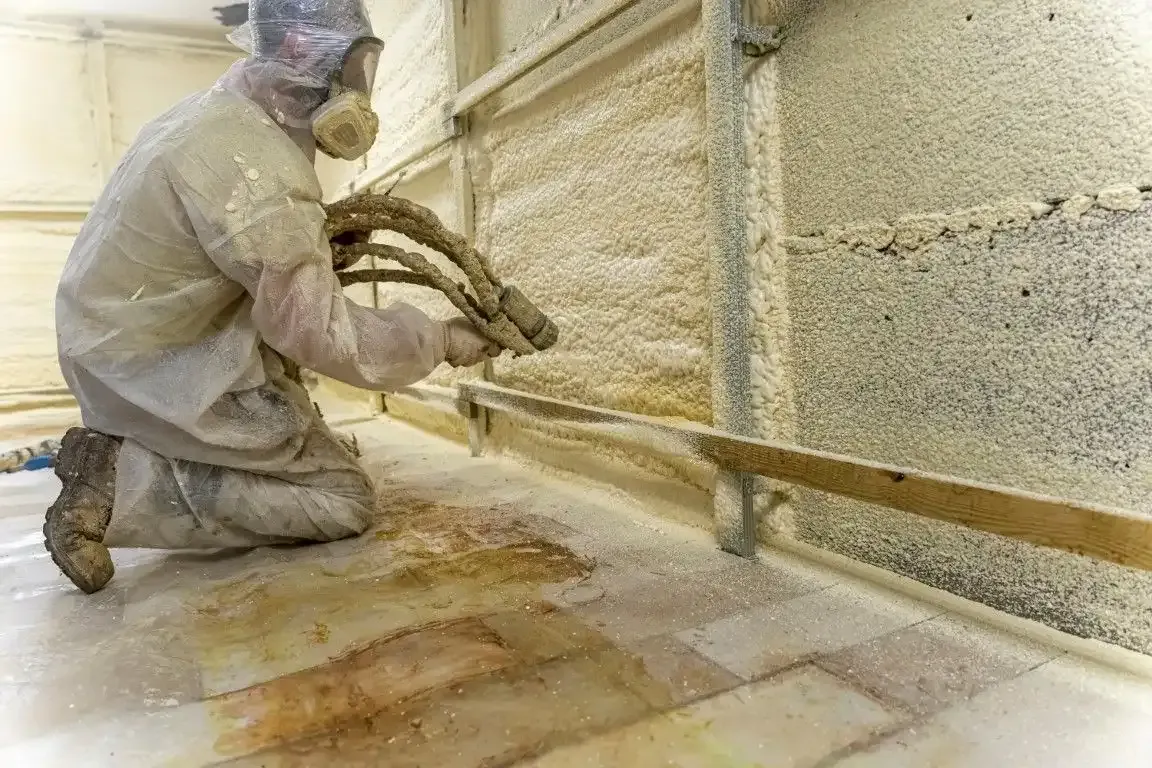
Creating a specialty environment like a wine cellar requires a precise approach to climate control that goes far beyond standard residential requirements. To protect a valuable collection, the room must maintain a constant temperature and specific humidity levels to prevent spoilage or cork degradation. The integrity of this delicate balance depends entirely on the quality and type of insulation installed within the walls and ceiling. Without a robust thermal envelope, your cooling system will struggle to overcome heat gain, leading to inconsistent conditions and increased energy consumption. The Importance of Closed-Cell Spray Foam Closed-cell spray foam is widely considered the gold standard for specialty rooms due to its high R-value and inherent air-sealing capabilities. This material expands into every crevice, ensuring that there are no gaps where heat or unconditioned air can penetrate the space. It provides a high thermal resistance per inch, which is critical for maintaining the standard 55-degree environment required for wine. The dense structure of the foam acts as a powerful air barrier, preventing the cooling unit from working overtime. It adds structural rigidity to the wall cavities, which helps in creating a permanent, high-performance vault. This material is resistant to moisture and does not support the growth of mold or mildew in damp environments. Utilizing closed-cell foam effectively creates a seamless thermal box that isolates your specialty room from the rest of the house. This level of protection is the most reliable way to ensure long-term stability for sensitive items. Integrating a Dedicated Vapor Barrier In a wine cellar, managing humidity is just as important as managing temperature, making a vapor barrier a non-negotiable component. Without this protection, moisture can migrate through the walls, leading to condensation issues and potential structural damage. A dedicated vapor barrier must be installed on the warm side of the insulation to prevent humid air from reaching the cold cellar walls. It protects the integrity of the insulation material by preventing it from becoming saturated with moisture. Proper sealing at the joints and edges ensures that the room remains a closed loop for the humidification system. Plastic sheeting or specialized vapor-retardant coatings are commonly used to create this essential moisture shield. Failure to install an adequate barrier can result in a cellar that is either too dry or prone to mold, both of which are disastrous for wine. A high-quality seal ensures that the environment inside remains exactly where you want it. Rigid Foam Board for Space Constraints When a specialty room is being built into an existing basement or a tight corner, rigid foam board offers an excellent thin-profile solution. These boards provide significant R-value without requiring the deep wall cavities that traditional batts might need. Extruded polystyrene boards are highly resistant to moisture, making them ideal for below-grade installations. They can be easily cut to fit around custom shelving or unique architectural features within a cellar. Foam boards provide a continuous thermal break when installed over studs, reducing the effect of thermal bridging. This material maintains its insulating power over time and does not settle or sag like loose-fill options. Rigid boards are a practical choice for homeowners who need to maximize storage space while still hitting strict thermal targets. They provide a clean, stable surface that is easy to finish with wine-safe wall coverings. Insulation for Specialized Doors and Joists The thermal envelope of a specialty room is only as strong as its weakest point, which is often the door or the floor joists. Paying close attention to these transition zones prevents the "leaks" that commonly cause cooling systems to fail prematurely. All doors leading into the specialty space should be exterior-grade and fully insulated to prevent heat transfer. Standard weather stripping and automatic door bottoms are necessary to maintain an airtight seal at the threshold. Floor joists above the cellar must be packed tightly to prevent the living space above from warming the collection. Foam gaskets should be used around any electrical outlets or light fixtures to eliminate air bypass. By treating the room as a total system rather than just four walls, you eliminate the micro-climates that can harm delicate assets. Every penetration through the insulation must be accounted for to maintain total environmental control. Sound Dampening and Vibration Control A specialty room often houses mechanical cooling units that can create unwanted noise or vibrations if not properly insulated. High-density materials can serve a dual purpose by providing thermal protection while also absorbing acoustic energy. Mineral wool is an excellent choice for sound absorption, helping to keep the mechanical hum of the cooling unit out of the rest of the home. Damping materials installed behind the insulation can reduce the transfer of vibrations that might disturb the aging process of the wine. Dense insulation helps create a "dead" acoustic space, which adds to the premium, quiet feel of a luxury cellar. Properly insulated ductwork further reduces the sound of moving air, contributing to a peaceful atmosphere. A truly professional specialty room performs its job silently and efficiently. Incorporating acoustic considerations into your insulation plan enhances both the function and the luxury of the space. Protecting Your Ultimate Investment Investing in specialized insulation is a commitment to the longevity and value of your most prized collections. By creating a fortress against temperature fluctuations and moisture, you ensure that every bottle or artifact is preserved in peak condition. A well-insulated specialty room provides the peace of mind that comes from knowing your environment is stable and secure. This foundation of efficiency allows you to focus on enjoying your collection rather than worrying about the mechanics of the room.
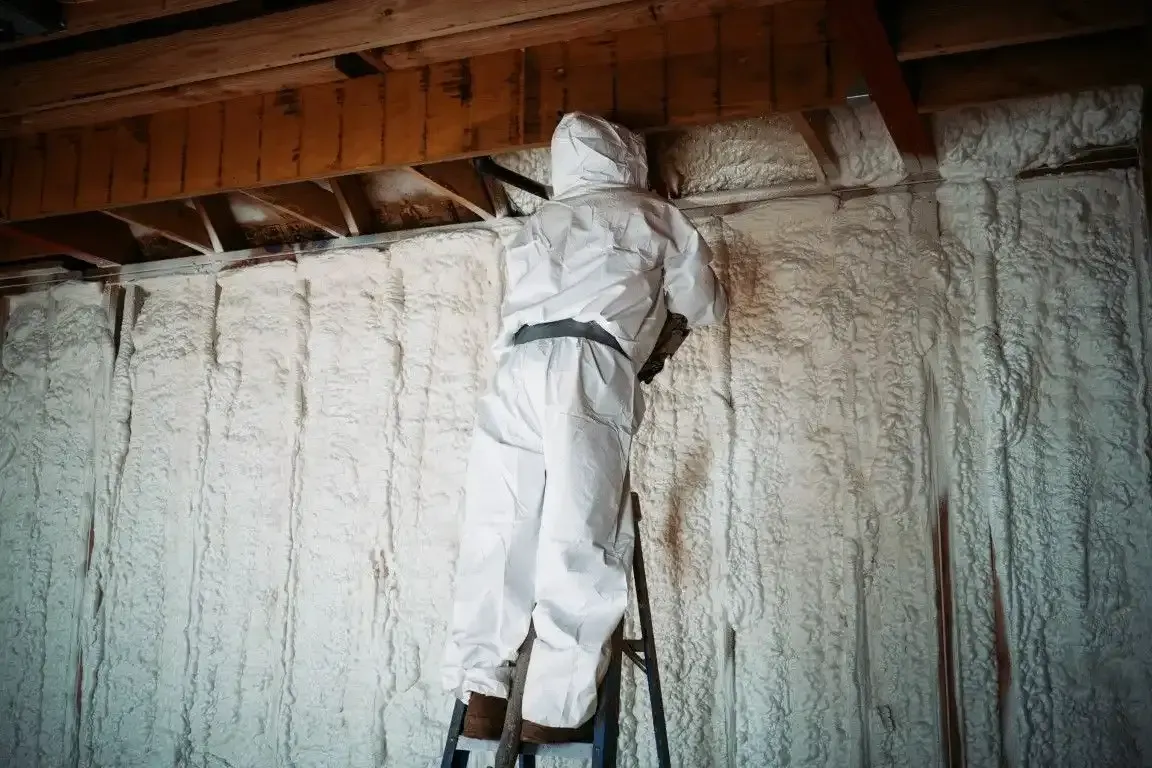
Maintaining an effective thermal barrier is essential for keeping your home comfortable and energy-efficient throughout the year. Over time, various environmental factors can cause original insulation materials to lose their loft, leading to significant heat loss and higher utility costs. Identifying the early warning signs of degraded insulation allows homeowners to address hidden gaps before they lead to structural issues. Regular inspections ensure that your protective layers remain consistent, preserving the climate control and air quality of your living space. Visual Inspections in the Attic The easiest way to determine the health of your insulation is to perform a simple visual check in your attic or crawl space. If the material has settled below the level of the floor joists, it is no longer providing the R-value your home requires. Look for areas where the insulation appears flat, matted, or compressed rather than fluffy and full. Check for "valleys" or bare spots where the material has shifted due to air movement or past foot traffic. Observe if the wooden floor joists are clearly visible, as modern standards typically require insulation to bury these beams completely. Identify any discoloration or dampness, which suggests that moisture has caused the fibers to clump together and lose effectiveness. A glance into the attic often reveals immediate gaps in coverage that explain why certain rooms feel colder than others. Ensuring the material remains at a consistent height is the first step in restoring your home's thermal envelope. Fluctuating Indoor Temperatures When insulation thins out, it loses the ability to prevent heat transfer, resulting in inconsistent temperatures across different rooms. You might notice that the upstairs level remains uncomfortably hot while the ground floor stays chilly regardless of your thermostat settings. Pay attention to "cold spots" in specific corners or along exterior walls that feel significantly different from the rest of the house. Notice if your heating or cooling system seems to run constantly without ever reaching the desired temperature. Check if rooms directly below the attic feel the outdoor weather more intensely than those in the center of the building. Use a non-contact infrared thermometer to find specific sections of the ceiling or walls that are leaking thermal energy. Uneven heat distribution is a classic symptom of material that has settled over time and left parts of the structure unprotected. Addressing these fluctuations early can save your HVAC system from unnecessary wear and tear. Rising Monthly Utility Expenses One of the most telling signs of thinned-out insulation is a steady, unexplained increase in your monthly energy bills. If you are paying more for the same amount of comfort you enjoyed last year, your insulation may be failing to do its job. Compare your current winter or summer utility statements with those from the previous two or three years. Watch for spikes in energy usage that do not align with changes in your personal habits or local weather patterns. Evaluate whether your furnace or air conditioner is cycling on and off more frequently than it used to. Consider that thinned insulation allows air to escape, forcing your mechanical systems to work harder to compensate for the loss. Financial leaks often mirror thermal leaks, making your bank statement a valuable tool for home maintenance. Investing in a top-off or replacement can quickly pay for itself through drastically reduced monthly overhead. Presence of Pests or Moisture Damage Settled insulation is often a byproduct of external interference, such as small animals nesting or hidden roof leaks. These issues not only compress the material but can also introduce health hazards into your home. Search for small tunnels, droppings, or nesting materials that indicate rodents have moved through the insulation. Inspect the area for water stains or a musty odor, which points to dampness that causes cellulose or fiberglass to sag. Check for mold growth on the underside of the roof deck, which often occurs when thinned insulation allows warm, moist air to hit cold surfaces. Look for matted sections around vents or pipes where air bypasses have caused the material to deteriorate prematurely. Insulation that has been compromised by pests or water is often beyond simple repair and requires professional attention to ensure safety. Keeping the area dry and secure is vital for maintaining the long-term integrity of your thermal barriers. Drafts and Drafty Walls If you can feel a breeze coming from your electrical outlets or along the baseboards, it is a strong indication that your wall insulation has thinned or shifted. Over decades, some materials can slide down within the wall cavities, leaving the upper portions of your rooms completely uninsulated. Place your hand near wall plates or light switches on exterior walls to check for moving air on a windy day. Touch the interior surface of your walls during extreme weather; they should feel relatively neutral rather than ice-cold or hot. Listen for an increase in outside noise, as thinning material also loses its ability to buffer sound from the street. Look for "ghosting" or dark streaks on the walls, which can be caused by dust settling where air is leaking through thin spots. Walls that allow air to pass through freely act as a vacuum for your expensive conditioned air. Restoring the density of these cavities is essential for creating a truly quiet and airtight living environment. Securing Your Home’s Future Comfort Taking the time to evaluate the state of your insulation is a proactive step toward a more sustainable and affordable lifestyle. When you ensure that your thermal protection is thick and consistent, you create a barrier that stands up to the harshest local weather. Refreshing your home's protection provides an immediate improvement in quality of life that you can feel in every room. Prioritizing this invisible upgrade ensures that your property remains a high-value, high-performance sanctuary for years to come.
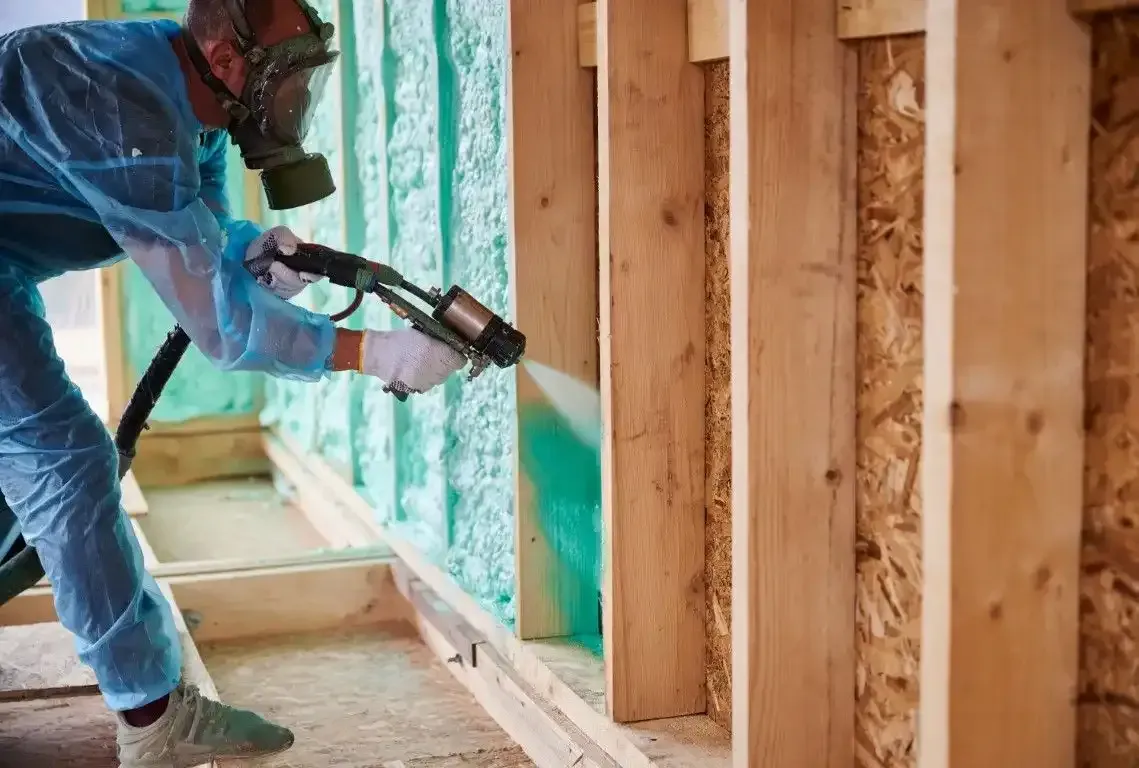
Determining the best insulation for your home often comes down to finding the perfect balance between upfront cost and long-term thermal performance. Understanding how various materials resist heat flow allows homeowners to make informed decisions that drastically reduce utility bills. Choosing the right R-value ensures that your living space remains comfortable throughout the shifting seasons without overspending on unnecessary upgrades. High-density materials can provide superior protection, but the price per square foot must align with your specific renovation goals. Fiberglass Batt and Roll Efficiency Fiberglass remains one of the most common choices for residential projects due to its accessibility and straightforward installation process. It offers a respectable thermal resistance that works well in standard wall cavities and open attic spaces. Standard fiberglass batts typically offer an R-value between 2.9 and 3.8 per inch of thickness. This material is highly cost-effective for DIY enthusiasts looking to improve their thermal envelope on a strict budget. It is naturally fire-resistant and does not shrink over time, maintaining its performance for decades when installed correctly. Pre-cut widths allow for a snug fit between standard framing, reducing the labor time required for larger areas. Selecting fiberglass is a smart move for those prioritizing a low initial investment while still achieving reliable heat resistance. Blown-In Cellulose Advantages Cellulose is often cited as a top contender for the best value because it is primarily made from recycled paper products treated for fire safety. It provides a dense layer of protection that excels at filling irregular gaps and hard-to-reach corners. Blown-in cellulose generally provides a higher R-value than fiberglass, ranging from 3.2 to 3.8 per inch. The dense packing of the fibers helps to dampen sound and significantly reduce air infiltration through small cracks. Because it is applied using a machine, it creates a seamless blanket of insulation that eliminates thermal bridging in attics. It is an environmentally friendly option that utilizes specialized borate treatments to deter pests and prevent mold growth. This material proves that being eco-conscious can also be the most effective way to insulate a complex building structure. Mineral Wool Performance Mineral wool is a premium alternative to fiberglass that is prized for its extreme durability and superior fire-rated properties. While the cost is slightly higher, the performance in specific environments makes it a worthy consideration. It offers an impressive R-value of approximately 3.0 to 3.3 per inch, similar to fiberglass but with much higher density. The material is water-repellent and does not lose its insulating properties even if it becomes temporarily damp. It provides exceptional acoustic buffering, making it the ideal choice for media rooms or homes near busy streets. The rigid nature of the batts makes them easier to friction-fit into place without the need for staples or fasteners. Investing in mineral wool provides peace of mind for homeowners who value safety and sound control as much as temperature regulation. Spray Foam Thermal Barriers For those looking for the absolute highest R-value per inch, spray foam is the undisputed leader in the industry. It serves as both a powerful thermal insulator and a comprehensive air seal in a single application. Closed-cell spray foam can reach R-values as high as 6.0 to 7.0 per inch, nearly doubling the performance of traditional materials. The foam expands upon contact, sealing every air leak and structural gap that could lead to energy waste. It adds structural integrity to the walls and provides a robust moisture barrier that prevents condensation issues. Open-cell varieties offer a more affordable middle ground with excellent sound-dampening qualities and an R-value of 3.5 per inch. While the initial price point is higher, the sheer efficiency of spray foam often leads to the fastest return on investment through energy savings. Rigid Foam Board Applications Rigid foam boards are essential for insulating areas where space is limited but high thermal resistance is required. They are commonly used on exterior sheathing or basement walls to create a continuous thermal break. Materials like Polyisocyanurate offer a high R-value of 6.0 per inch, making them incredibly space-efficient. These boards are easy to cut and install against flat surfaces to prevent heat from escaping through the structural framing. They provide a stable surface that can be combined with other insulation types to reach target efficiency goals. The moisture-resistant properties of Extruded Polystyrene make it the go-to choice for below-grade applications. Utilizing foam boards ensures that even the most difficult parts of a home remain thermally protected without adding excessive bulk. Maximizing Your Thermal Investment Strategic insulation choices do more than just lower your monthly expenses; they fundamentally change the longevity and health of your property. By selecting a material that fits your specific climate and budget, you create a sustainable environment for your family. Expert installation paired with high-quality materials ensures that your home remains a sanctuary against the elements for years to come. Making the right choice today provides a legacy of comfort and efficiency that adds tangible value to your entire estate.